
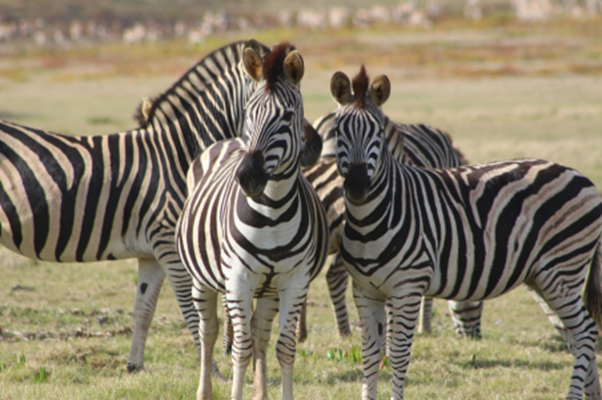
“To sit in the shade on a fine day and look upon verdure is the most perfect refreshment.” – Jane Austen
Compliance Management
Marine Living Resources Act
During June, the Rangers came across a total of 29 fishermen, recreational fishing, spearfishing/diving, and bait collecting permits were inspected by Bernard, Eben, Hayley, Thomas, Ethan, and Erich in accordance with the Marine Living Resources Act (Act 18 of 1998). Of the 29 permits checked, one (3%) failed to produce a valid permit. We remind everyone that it is essential to be in possession of a permit, even if you are simply fishing for a day or two! We ask that if you witness any fishermen, divers, or bait collectors and suspect they are not following the rules and regulations, please get in touch with the Conservancy immediately.
Natural Resource Management
Brush Pile Burn at Springerbaai Coastal Eco-Estate
On Thursday, the 5th of June, Fransmanshoek Conservancy had the opportunity to participate in a joint Brush Pile Burn Session at Springerbaai Coastal Eco-Estate. This collaborative field exercise brought together Fransmanshoek Conservancy and Gourikwa Nature Reserve conservation team to share knowledge, foster partnerships, and provide practical training in essential fire management techniques. The operation was led by Jade, Superintendent of Environment and Infrastructure at Springerbaai, who guided the teams through the correct handling and use of wildfire suppression equipment. The Student Rangers were introduced to tools such as the bakkie-sakkie – a mobile water tank unit mounted to a trailer, used for controlling flames and dousing hotspots – as well as the fire beater fingertips, used for physically beating down small fires in grass and brush fuel loads.
In addition to demonstrating safe ignition and control techniques, Jade explained the mop up phase, which is a critical aspect of any controlled burn. The mop-up involves ensuring all embers, coals, and hotspots are fully extinguished after the burn to prevent accidental reignition – a crucial practice for maintaining ecological integrity and public safety. This exercise was not just about clearing invasive or excessive vegetation, but served as a broader learning platform for the Student Rangers, many of whom had never participated in a controlled burn before. The session emphasized caution, preparedness, and environmental responsibility, key values in ecological management and Ranger training.
Beyond the burn, the camaraderie shared among the teams was inspiring. The event fostered stronger ties between neighbouring conservation areas and highlighted the power of inter estate collaboration in safeguarding the natural heritage of the Garden Route. A heartfelt thank you is extended to Springerbaai Coastal Eco-Estate for hosting and sharing invaluable expertise, and providing a hearty and much-appreciated lunch for all participants. Events like these enrich the practical education of our Rangers and strengthen the regional conservation community as a whole.


Littering and Graffiti – A Plea for Preservation
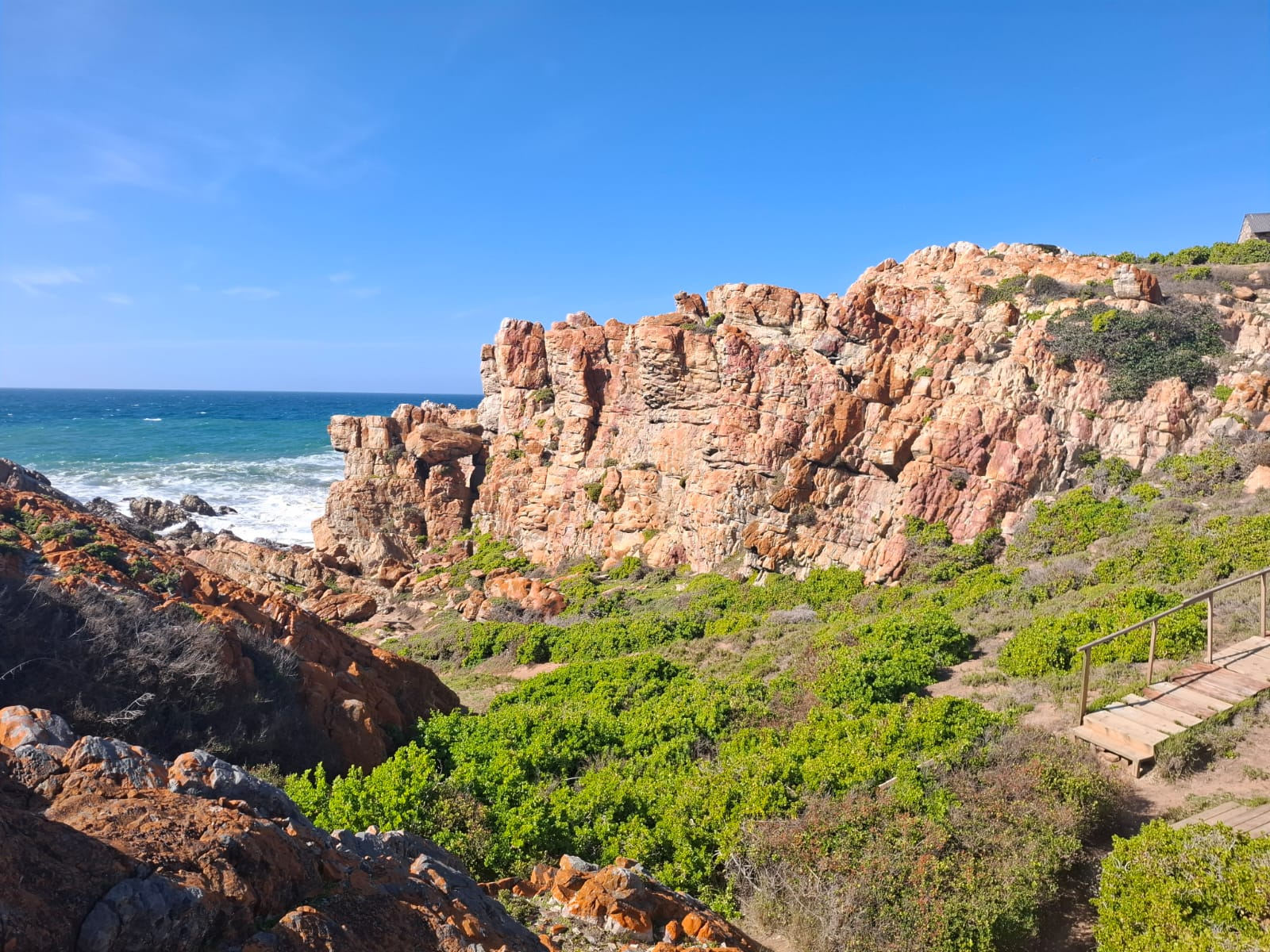
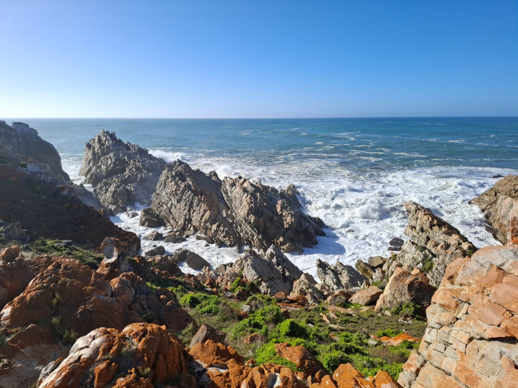
Fransmanshoek Conservancy stands as a sanctuary of natural beauty, biodiversity, and cultural heritage nestled along the Southern Cape coastline. It is a place where fynbos-cloaked cliffs meet the ocean, where seabirds nest undisturbed, and where locals and visitors alike come to reconnect with nature. However, in recent months, we have seen a concerning rise in two deeply harmful forms of human impact: littering and graffiti.
While most visitors appreciate the peace and pristine setting of the Conservancy, an increasing number of discarded items are being found along the walking trails, braai areas, fishing spots, and viewpoints. These include:
- Plastic bottles and wrappers
- Cigarette butts and bottle caps
- Fishing line and bait packaging
- Glass fragments and broken bottles
- Takeaway containers and food waste.
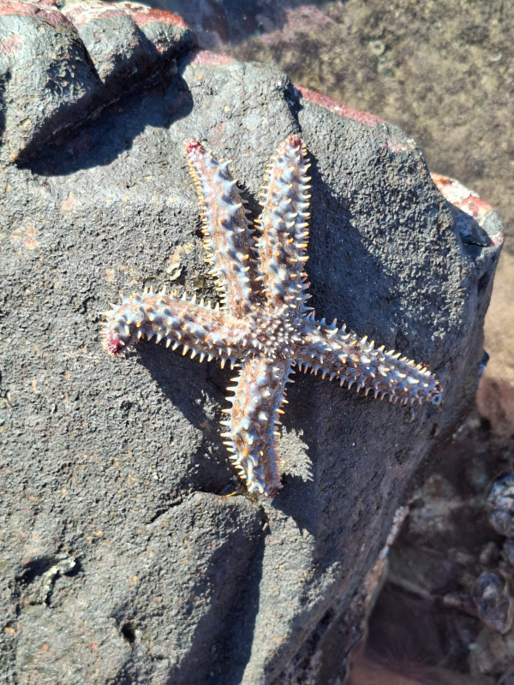
The consequences of this are more than aesthetic. Litter directly harms our local wildlife, including vulnerable species and rock pool marine life. Sea turtles are especially susceptible to ingesting plastic. Even inland, small mammals and birds become entangled in waste or consume it, leading to injury or death. In addition, decomposing waste contaminates the fragile coastal soils and rock pools, altering the natural chemical balance and threatening endemic plant species rooted in our unique fynbos biome.
The rise of graffiti along rocks, signs, and even natural cliff faces has caused particular heartbreak for the Fransmanshoek team. This is a violation of the natural and historical character of the Conservancy. The defacing of rock surfaces, some of which have stood untouched for millennia, not only ruins the visual integrity of the landscape but also risks damaging habitats for rare mosses and lichen species. Additionally, painted markings on signs and structures result in increased maintenance costs, diverting limited resources from conservation work.
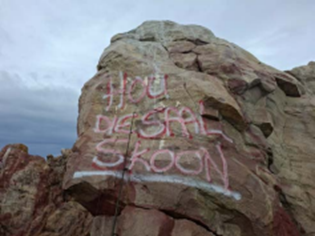

For those of us who work in and love this place, each piece of litter and each blotch of graffiti feels like a wound. It takes away from the shared sense of respect that this land deserves. Fransmanshoek is not only a space for leisure, but a living classroom for Student Rangers, a habitat for endangered species, and a deeply personal place for so many who come here to reflect, heal, or find inspiration.
We believe that most people do not intend to harm nature, but perhaps some simply forget that we are visitors here. The land does not belong to us; rather, we belong to it for a brief moment. in that spirit, we ask:
• Take your litter with you. If you pack it out, pack it back in.
• Use provided bins responsibly – and never leave waste beside an overflowing bin.
• Educate others about the impact of leaving waste or graffiti behind.
• Report any incidents of defacing or illegal dumping to our Ranger team.
• Lead by example. Children, fellow hikers, and passersby will follow the habits they see.
Let this Conservancy remain a place where time slows down, where families can have a braai and enjoy an outing, where the only marks left behind are footprints in the sand, and even those, the tide will take away.
Fransmanshoek Conservancy is committed to protecting this landscape, but we cannot do it alone. If we care for this place today, it will care for future generations tomorrow. Let us act with foresight, with empathy, and with pride, knowing we helped preserve a fragment of the wild, untamed beauty that is Fransmanshoek Conservancy.
On the Right Track: Trail Maintenance Gets an Upgrade
Maintaining the trails at Fransmanshoek Conservancy is not just about keeping paths clear; it’s about ensuring that every visitor, whether hiker, fisherman, or Ranger, experiences the natural beauty of our landscape safely and responsibly. Trails are vital access routes for eco tourism, firebreaks, and monitoring efforts. However, with the changing weather patterns, invasive growth, and constant use, trail maintenance remains a demanding and ongoing responsibility. Throughout the year, we focused on clearing and redefining overgrown sections of our most frequently used footpaths and trails. Thanks to recent rainfall and the onset of winter, the vegetation has flourished, resulting in denser bush encroachment and grass growth along key routes. The need to maintain trail width, visibility, and surface conditions, especially in coastal and sandy terrain, has been a key priority.
We are incredibly excited to announce the addition of two new power tools to our trail maintenance toolkit:
Cordless Hedge Trimmer: This lightweight, battery-powered hedge trimmer allows us to trim back overgrown branches and shrubs along narrow pathways with precision and speed. Its quiet operation is less disruptive to surrounding wildlife, and the cordless design offers excellent manoeuvrability in remote areas without access to electricity.
• Cordless Straight Shear: Perfect for fine-tuning edges and tackling grass tufts and smaller invasive plants, this tool has already proven invaluable during detailed maintenance along coastal boardwalks and rocky outcrops. Its ergonomic design and portability mean we can now perform high-quality maintenance with less physical strain.
These tools dramatically improve our efficiency, reduce fatigue, and allow our small team to cover larger areas in a shorter time. Previously, much of this work was done manually using shears, pangas, and bush saws—often taking several days to complete what now takes just hours.


We extend our deepest gratitude to Frik and Dianne Orban, whose generous donation made the purchase of this equipment possible. Their support not only eases the physical demands placed on our rangers but also enhances the long-term sustainability of our conservation work. This contribution has an impact beyond just trails—it strengthens our ability to protect the biodiversity that thrives along them.
The Story of Die Huisie by Die Punt.
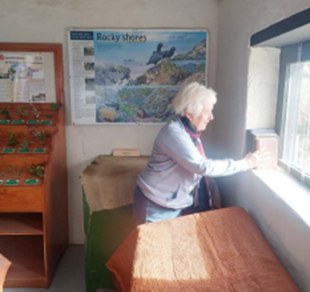
Have a look at the logo of the Conservancy on this newsletter – it shows a little hut with the sun rising behind it. When you get down to the Point, you may wonder why the little hut was built there, who built it, and why the rest of the Peninsula has not been subdivided into plots for houses with amazing views. You will now be able to find answers to all these questions inside the hut, which has been set up as an information centre, primarily focusing on the flora and fauna of the area, but also including both ancient and modern history.
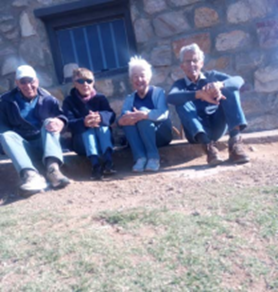
On the 21st May, the grandchildren of Ernest Newton, who bought the peninsula and had the hut built, gathered together to meet up with the Head Ranger, Erich Goold. Joe Newton travelled from Middelburg in the Great Karoo, MaryAnn Blandy (nee Newton) came from New Zealand, and Tim Newton had planned to come from Ladismith.
They presented Erich with a framed information poster giving a short history of the family’s involvement in Fransmanshoek, and most importantly, the reason why there are no other buildings on the Peninsula. They had a very productive and pleasant meeting with Erich. Although the wind was blowing a gale at the time, they decided to crack a beer and have a picnic right there – in memory of the good old days! When next you go to the Point at Fransmanshoek, go into the hut and have a look at all the interesting information the Rangers have assembled there.
Vegetation Mapping at Fransmanshoek Conservancy
On the 23rd and 24th of June, the Fransmanshoek Conservancy Rangers partnered with the Gouritz Cluster Biosphere Reserve (GCBR) to undertake an intensive vegetation mapping exercise across key areas of the Conservancy. The fieldwork spanned two crisp winter days and formed part of ta broader effort to enhance our ecological monitoring and deepen our understanding of the biodiversity that characterizes our unique coastal environment. The survey was conducted at four distinct sites within the Conservancy, each carefully selected to represent varying vegetation types and land-use histories.
At each site, the teams employed standardized ecological survey methods, including the use of quadrants and transects to record vegetation composition, structure, and species abundance. Particular focus was placed on identifying herbaceous and woody plant species, assessing ground cover, and collecting detailed data on dominant vegetation forms. In addition to vegetation data, soil samples were taken from each site to support future assessments of soil health, composition, and its relationship to plant community dynamics. These samples will form part of an ongoing dataset aimed at tracking environmental changes over time, including shifts in species compositions, habitat health, and the impacts of climate variability or human disturbance.
This collaborative project not only provided valuable baseline data but also reinforced the importance of partnerships in conservation. The expertise and support provided by the GCBR team were instrumental in ensuring the scientific rigour of the process, while also creating valuable learning opportunities for our Rangers on ecological monitoring techniques. Projects like this serve as a critical foundation for long-term ecological stewardship. By building a stronger, data-driven understanding of our natural systems, we are better equipped to make informed conservation decisions, restore degraded areas, and safeguard the ecological integrity of Fransmanshoek Conservancy for future generations. We extend our sincere thanks to the Gouritz Cluster Biosphere Reserve for their ongoing support and commitment to protecting biodiversity across the region.
Environmental Education
Conservation Statues: The Blue Crane
This Month, Fransmanshoek Conservancy would like to draw focused attention to the plight of one of South Africa’s most cherished bird species: the Blue Crane (Anthropoides paradiseus). Known for its striking elegance, dignified movements, and cultural significance, the Blue Crane is not only our national bird but also a critical indicator of the health of our grassland ecosystems. in a deeply concerning update, the International Union for Conservation of Nature (IUCN) has officially reclassified the Blue Crane from “Near Threatened” to “Vulnerable” on the Red List of Threatened Species.
Population Decline and Conservation Concerns
The reclassification reflects a sustained and observable population decline over the past decade. Although South Africa still supports the majority of the global population of Blue Cranes, estimated at approximately 25,000 individuals, numbers are dropping due to a combination of environmental, agricultural, and socio-economic pressures.
Key factors contributing to the decline include:
• Habitat Loss and Fragmentation: Blue Cranes rely on expansive, undisturbed grasslands for nesting and foraging. Rapid agricultural expansion, urban development, and land transformation continue to shrink these vital habitats, leaving breeding pairs increasingly vulnerable.
• Agricultural Conflict: While some Blue Cranes have adapted to foraging in cultivated lands, this proximity to human activity has led to increased conflict with farmers, especially when birds are perceived as crop pests. In retaliation, illegal poisoning still occurs in some regions.
• Powerline Collisions and Infrastructure Hazards: Blue Cranes are large, low-flying birds. Collisions with overhead powerlines and fencing structures remain a major source of mortality, particularly in open agricultural landscapes.
• Climate Change and Water Scarcity: Shifts in rainfall patterns and prolonged droughts, particularly in the interior, are affecting the availability of seasonal wetlands and pastures required for breeding and chick-rearing.
While the Eastern Cape and Free State have seen more pronounced declines, the Western Cape continues to serve as a vital region for Blue Crane populations, particularly due to the adaptive use of agricultural fields for nesting. However, this “success” is fragile. The temporary coexistence of cranes and farming cannot be assumed to be sustainable without formal conservation partnerships, long-term land stewardship, and mitigation strategies. Fransmanshoek Conservancy lies within an ecological corridor that occasionally receives Blue Crane visitors, especially during seasonal movements The status upgrade to “Vulnerable” represents not just a statistical shift, it is a call to action. The Blue Crane is more than a national emblem; it is a living reminder of the fragile balance between development and biodiversity. Its downgrade to Vulnerable is sobering, but it also serves as a powerful opportunity. By working together, conservancies, farmers, local authorities, and the public we can reverse this trend and ensure that future generations continue to witness the aerial dances and calls of the Blue Crane across South Africa’s open landscapes.
Monthly Species Profile
Candlewood / Kershout

Scientific name: Pterocelastrus tricuspidatus
Family: Celastraceae
Description: The Candlewood tree is a medium-sized evergreen tree that can grow up to 20m tall. It has a bark consisting of several colors, namely grey or reddish-brown, with a fissured or corky appearance. The leaves of this tree are typically dark green in color, leathery, and thick. The leaf stalk of this evergreen typically possesses a reddish color, where its fruits consist of three lobes and are typically bright orange in color. These seeds are typically released in the period of July – March.
Distribution: This evergreen is endemic to South Africa and occurs widely across the country with a healthy population, where it can be found from Saldanha Bay up until the KwaZulu-Natal south coast.
Habitat: Candlewood can be found in dune scrubs, forests, and rocky outcrops, where it thrives in most soil types, including coastal sand and rocky mountain slopes and clay.
Usage: The bark and the roots of Candlewood have been used medicinally, as well as being used to tan leather due to its high tannin content. The wood of this true is known to be very durable, and is typically used for flooring, panelling, and tool handles as well as being used for firewood
Conservation Status: Candlewood is currently listed as Least Concern by the IUCN Red List, as it has a wide distribution and a stable population within its natural range. Candlewood faces most of its pressure from woodcraft or firewood demand, but there is little indication of the tree being heavily targeted for its medicinal value.
References
BIRDLIFE INTERNATIONAL. 2024. Species factsheet: Anthropoides paradiseus. [online] http://datazone.birdlife.org [Accessed June 2025]
INTERNATIONAL CRANE FOUNDATION. 2023. Conservation and Research Updates on the Blue Crane in Southern Africa.[online]https://www.savingcranes.org [Accessed June 2025]
IUCN RED LIST. 2024. Anthropoides paradiseus. [online] https://www.iucnredlist.org [Accessed June 2025]
KNYSNA WOODWORKERS. n.d. Candlewood – Pterocelastrus tricuspidatus [online] https://knysnawoodworkers.co.za/articles/characteristics-of-our-indigenous-trees/candlewood pterocelastrus-tricuspidatus/ [Accessed June 2025]
REITZ TREE CARE. 2015. The amazing candlewood tree. [online] https://www.reitztreecare.co.za/the-amazing-candlewood-tree/ [Accessed June 2025]
SANBI. n.d. Red List of South African Plants. [online] https://redlist.sanbi.org/species.php?species=1876-8 [Accessed June 2025]