“If we save our wild places, we will ultimately save ourselves.” – Steve Irwin
Compliance Management
Marine Living Resources Act
During May, the Rangers came across a total of 29 fishermen, recreational fishing, spearfishing/diving, and bait collecting permits were inspected by Bernard, Eben, Hayley, Thomas, Ethan, and Erich in accordance with the Marine Living Resources Act (Act 18 of 1998).
Of the 29 permits checked, one (3%) failed to produce a valid permit. We remind everyone that it is essential to be in possession of a permit, even if you are simply fishing for a day or two! We ask that if you witness any fishermen, divers, or bait collectors and suspect they are not following the rules and regulations, please get in touch with the Conservancy immediately.
Natural Resource Management
Educational Outreach at Gourikwa Nature Reserve
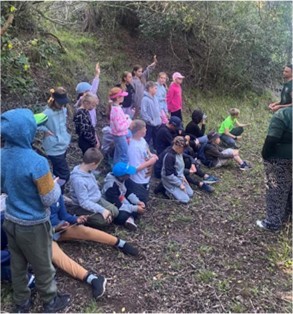
On Wednesday, 15th May, our dedicated team of Rangers had the privilege of partnering again with Gourikwa Nature Reserve to assist in an engaging Environmental Education Day to inspire the next generation of nature stewards. The occasion centered around the Grade 5s of Curro Mossel Bay, who arrived with an impressive level of enthusiasm and a keen eagerness to absorb knowledge about the natural world. From the outset, it was clear that
the day would be both dynamic and enriching. A variety of interactive, hands-on activities were designed to ignite curiosity, promote environmental awareness, and encourage cooperative learning among the students. The learners were grouped and challenged with tasks that tested their creativity and ability to work as a team. One such activity involved the construction of survival shelters using natural materials like logs, rope, and branches. This exercise encouraged problem-solving, communication, and resourcefulness.
Another highlight of the day was the ever-popular egg-drop challenge. Students were tasked with building protective casings to prevent an egg from breaking when dropped from a significant height. This fun and inventive task underscored lessons about design thinking, gravity, and the value of collaboration. It was heartening to see how committed and imaginative the students were, reinforcing the idea that, with teamwork and perseverance, even the most unlikely goals can be accomplished.
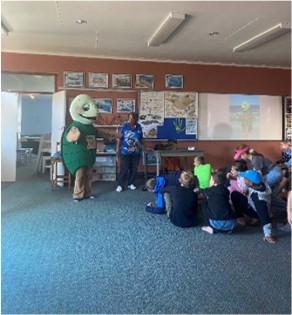
A notable feature of the day was the involvement of several respected environmental organisations. Representatives from SAPREC (South African Penguin Rehabilitation Centre) and SMART (Stranded Marine Animal Rescue Team) joined the event, delivering compelling and informative talks about their important work in wildlife rescue and conservation. These presentations captivated the young audience, who listened intently and posed numerous thoughtful, inquisitive questions. it was clear that the students were both fascinated and inspired by all the real-life experiences shared by the speakers.
Our Rangers also embraced the opportunity to engage with the students directly, delivering a series of educational presentations. Topics included responsible fishing practices, the importance of environmental education, the process and purpose of wildlife rehabilitation, and the broader marine conservation goals. Each Ranger contributed a personal perspective, sharing stories and insights that reflected their passion for the natural world. This personal
touch helped bridge the gap between education and inspiration, leaving a memorable impression on the learners.
Although the day was physically demanding and filled with continuous activities, it was ultimately a fulfilling and rewarding experience for all involved. The Rangers were proud to play a role in educating and motivating young minds, and they left the event with a renewed sense of purpose and excitement for future outreach opportunities. The event was a resounding success. It not only deepened the students’ understanding of environmental issues but also highlighted the power of collaboration between conservation organisations and educators. Our team is looking forward to the next opportunity to share their knowledge, passion, and love for the natural world with eager young learners. A huge thanks to the team at Gourikwa Nature Reserve for having us and allowing us to be part of such an amazing day.
Injured Duiker Rescue
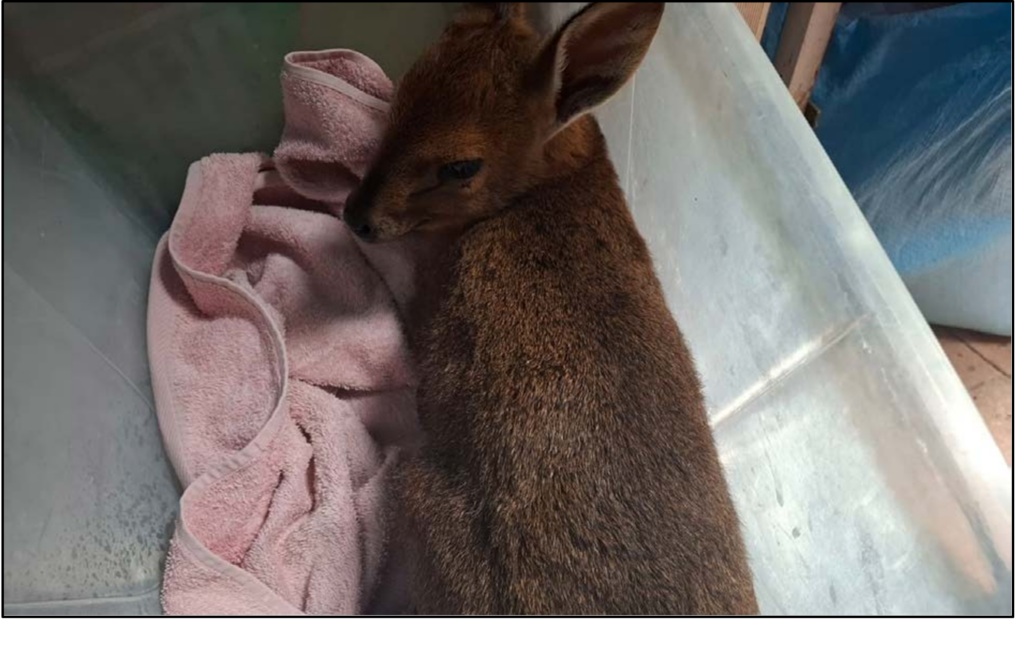
On the morning of Monday, 20th May, an injured Common Duiker (Sylvicapra grimmia) was brought to the Fransmanshoek Conservancy office by a concerned member of the community. The individual had encountered the small antelope in distress and, recognising the urgency of the situation, sought immediate assistance to ensure the animal received proper care. Without delay, the Rangers transported the injured Duiker to Hartenbos Animal Hospital for veterinary evaluation. Upon arrival, Dr. F. De Graaff conducted an initial examination of the animal, which appeared to be suffering from significant mobility issues –
it was unable to stand or walk normally. While the precise cause of its condition remained uncertain at the time, the team decided to proceed with further diagnostic testing and admitted the animal for observation and treatment. As of this report, the Duiker remains under the care of the veterinary staff, and we are hopeful for a full recovery. The swift actions of the resident and the support from Hartenbos Animal Hospital reflect the power of community involvement and interorganisational cooperation in wildlife conservation.
This incident serves as an important reminder about the dangers that roads pose to wildlife. many of our regional roads traverse natural habitats, often cutting through areas frequented by various animal species. Unlike domestic animals, wild animals like Duikers do not possess an innate understanding of road safety or the ability to anticipate vehicle movement. As such, it is the responsibility of drivers to remain vigilant, especially in conservation areas.
Responsible driving, especially during early morning and late evening hours when wildlife is most active, can significantly reduce the risk of wildlife-vehicle collisions. Fransmanshoek Conservancy encourages all residents and visitors to be mindful of their surroundings while driving and to treat all wildlife with care and respect. Every act of awareness contributes to the safety and preservation of the species that inhabit our shared environment.
Wildlife Population Management at Springerbaai Eco-Estate
Culling plays a critical role in responsible wildlife population management, particularly within enclosed or managed ecosystems where natural population control mechanisms, such as predation and migration, are limited or absent. When populations grow beyond the carrying capacity of their environment, it can lead to overgrazing, habitat degradation, increased disease transmission, and heightened stress among animals. Selective culling helps maintain a balanced population size that aligns with the available resources, ensuring the long-term health of both species and their habitat. It also allows for the removal of individuals that may be genetically weak, diseased, or contributing to inbreeding within the population, thus supporting improved genetic diversity and resilience. In cases where parasites or diseases are present, culling infected or vulnerable individuals can help prevent widespread outbreaks. When conducted ethically and scientifically, culling serves as an effective conservation tool that contributes to ecosystem stability, promotes biodiversity, and supports the sustainability of wildlife populations.
On Thursday, 22nd May, two Student Rangers from Fransmanshoek Conservancy were invited to assist Springerbaai Eco-Estate with a wildlife population management operation focused on their Bontebok (Damaliscus pygargus pygargus) population. This was initiated in response to the Bontebok herd’s ecological and health challenges. The Springerbaai team has been closely monitoring this population and identified two primary concerns: a parasitic infestation and reduced genetic diversity.

The parasite in question, commonly known as a wireworm, has been affecting the herd. wireworm is known to cause significant respiratory issues, including inflammation of the lungs, damage to lung tissue, disease, and in some cases, cardiac complications. Due to its ability to spread rapidly among wildlife, targeted action was necessary to curb its impact. In addition to the parasite problem, the Bontebok population has exhibited signs of poor genetic diversity. This lack of variation increases vulnerability to disease and other health issues and diminishes the long-term viability of the herd. To address this, Springerbaai decided to selectively cull specific individuals and introduced new genetic lines via unrelated males. This strategic intervention is aimed at improving the overall genetic health and resilience of the population. A total of 15 Bontebok were humanely and efficiently culled throughout the day. The operation was carried out following best practices in wildlife management, with strict adherence to ethical standards to ensure the welfare of the animals.
Environmental Education
The Environmental Effects of Gas Exploration: Unveiling the Hidden Costs of Energy
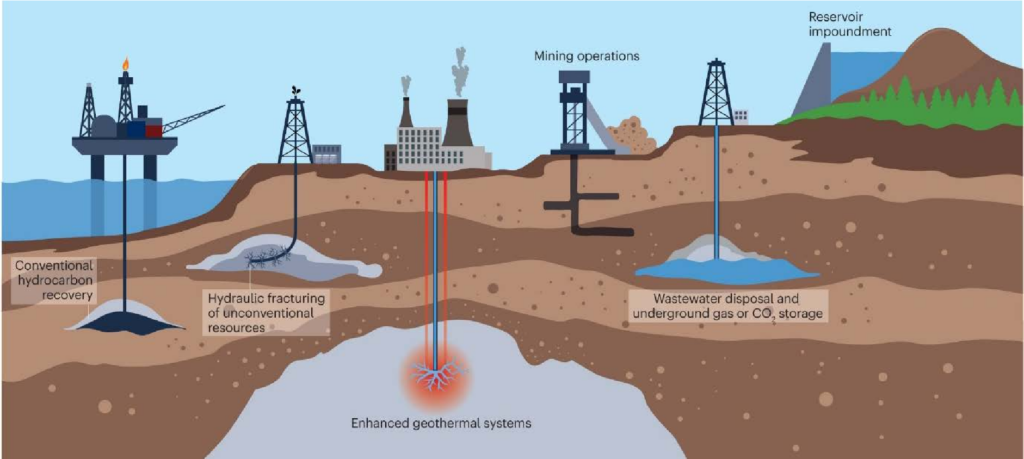
In the modern age of energy demands and economic development, natural gas is often promoted as a “cleaner” fossil fuel – a bridge to a low-carbon future. Burning natural gas indeed produces fewer carbon emissions than coal or oil. However, this perspective overlooks the environmental toll of the entire gas exploration lifecycle: from geological surveys and drilling to extraction, processing, and transportation. Much like the resource itself, the environmental impact lies below the surface – hidden, complex, and deeply consequential. The environmental cost of gas development runs deep, from polluted air and water to habitat destruction and even earthquakes. Below will be discussed the lesser-known but critical impacts of gas exploration, and why it matters to everyone who cares about the future of our planet.
Water Under Pressure: Usage and Contamination
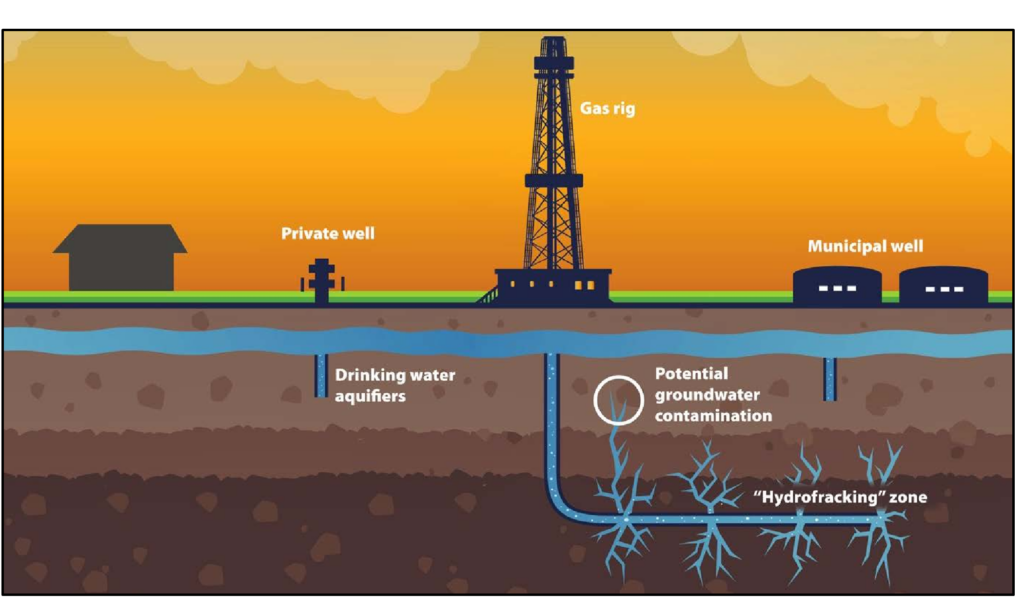
Gas extraction, especially through hydraulic fracturing (or fracking), requires huge amounts of water. A single well can use millions of liters, which places strain on local water supplies, especially in dry or drought-prone areas. But water use isn’t the only concern. The water used in fracking is mixed with sand and a range of chemicals, some of which are toxic or even carcinogenic. This chemical-laced water can contaminate streams, groundwater, and even drinking water sources if not properly managed. Spills, leaks, and poorly sealed wells have all been linked to pollution incidents. Additionally, the wastewater that returns to the surface after fracking often contains heavy metals, radioactive elements, and salts. If stored improperly, it can seep into the environment and pose long-term risks to ecosystems and communities.
Air Pollution: A Silent but Powerful Threat
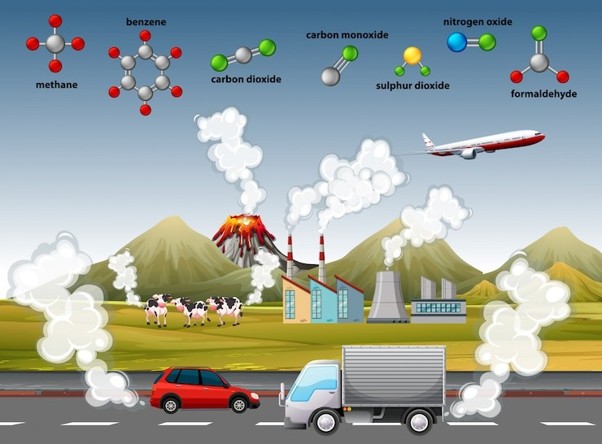
The main ingredient in natural gas is methane, a greenhouse gas far more potent than carbon dioxide in the short term. When methane leaks into the atmosphere, it traps heat at a much higher rate, making it a major contributor to climate change. These leaks often happen during drilling, processing, and transportation. Gas operations also release volatile organic compounds (VOCs) and nitrogen oxides, which can mix with sunlight to form harmful groundlevel ozone. Communities living near gas fields have reported higher rates of asthma, respiratory illnesses, and other health problems linked to poor air quality. So while gas may burn cleaner than coal, the process of getting it into our homes and power plants comes with its own set of environmental and health risks.
Land Degradation and Loss of Habitat
Gas development physically reshapes the landscape. Roads are built, land is cleared, and heavy equipment moves in, turning wild areas into industrial zones. Forests, grasslands, and wetlands may be cleared for drilling sites, pipelines, and storage tanks. This leads to a loss of habitat for birds, mammals, reptiles, and insects. The soil itself is also affected. Heavy machinery can compact the ground, making it harder for water to infiltrate and plants to grow. Erosion increases, and sediment can wash into nearby rivers, affecting fish and aquatic ecosystems. in places rich in biodiversity, such as coastal zones, mountain ranges, or nature reserves, the impacts can be particularly devastating and sometimes irreversible.
Noise and Light Pollution
Gas extraction doesn’t just affect the ground and air, it also affects the senses. Drilling rigs, trucks, and compressors generate constant noise that disturbs wildlife and nearby residents. Animals rely on sound to navigate, hunt, and avoid predators. Chronic noise can disrupt these behaviors, driving wildlife away from their natural habitats. At night, the glow from flares and industrial lighting adds light pollution, disrupting the natural rhythms of nocturnal animals and migratory birds. Even humans living nearby report difficulty sleeping and a reduced quality of life due to the constant hum and brightness. These less visible impacts are just as important to understand because they influence how animals and ecosystems function over time.
Earthquakes Triggered by Human Activity
One of the most surprising effects of gas exploration is its link to earthquakes. The injection of wastewater deep underground, a common practice after fracking, has been shown to trigger small to moderate earthquakes in some regions. These induced seismic events have raised concerns, especially in areas not historically prone to quakes. While most of these earthquakes are minor, some have caused damage to buildings and infrastructure, drawing attention to the risks of tampering with underground geology.
Long-Term and Cumulative Consequences
Beyond the visible impacts, gas exploration leaves a legacy. Once the gas is extracted and the wells are no longer in use, companies may move on, but the environmental damage often remains. Some wells are abandoned without proper closure, leading to ongoing methane leaks. These so-called orphan wells are expensive to clean up and often become the responsibility of governments or landowners. In addition to pollution and habitat loss, gas operations can affect local economies. Farmland may become unusable, tourism may decline, and nearby residents may face falling property values and rising health costs. By raising awareness, demanding stronger environmental regulations, and investing in truly renewable alternatives like wind, solar, and ocean energy, we can shift away from extractive energy systems toward solutions that work with, not against, the environment. The path we choose today will determine the health of our planet tomorrow.
Monthly Species Profile
Common (Grey) Duiker / Gewone Duiker
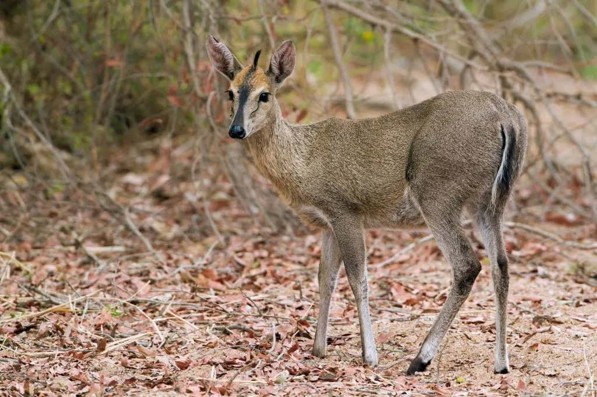
- Scientific name: Sylvicapra grimmia
- Distribution: Widespread through sub-Saharan Africa, excluding the Horn of Africa and the rainforests of the central and western parts of the area.
- Habitat: Found in habitats with enough vegetative cover, allowing them to remain hidden, such as savannas and hilly areas, including the fringes of human settlements. They are frequently observed in grasslands, savanna woodlands, and karroid shrublands.
- Diet: Omnivorous animals, which typically eat the leaves and shoots of bushes as well as fruits and flowers that drop to the ground from birds and other animals. They also sometimes dig up tubers and roots using their hooves. They may also on occasion consume insects, small lizards, frogs, rodents, and nestling birds.
- Life Cycle: Females give birth to a single lamb, following a six-month gestation period, during any time of the year. Common duikers can start to run within 24 hours of being born, being fully grown at 7 months of age, and females start mating around 8 – 9 months, having their first birth around the 1-year mark. Their lifespan is estimated at 8 – 11 years. They are solitary animals, with females that have lambs being the exception, and are rarely observed in male-female pairs. Common duikers also have preorbital glands and glands between their front hooves, which they use for scent marking.
- Importance: They play necessary roles in ecosystems as prey for predatory animals, as well as aiding in plant seeds dispersal
- Conservation Status: Least Concern – stable populations which are resilient to disturbance
References
CANADIAN CENTRE FOR POLICY ALTERNATIVES. (2020). Fracking and Earthquakes: Risk
Assessment in Shale Gas Development. [online] https://policyalternatives.ca [Accessed May
2025]
EARTHWORKS. (2020). Oil & Gas Pollution: How Fracking Hurts Communities and the
Environment. [online] https://www.earthworks.org/issues/oil-gas-pollution/ [Accessed May
2025]
INTERGOVERNMENTAL PANEL ON CLIMATE CHANGE (IPCC). (2021). Climate Change 2021:
The Physical Science Basis. [online] https://www.ipcc.ch/report/ar6/wg1/ [Accessed May
2025]
NATIONAL GEOGRAPHIC SOCIETY. (2022). Natural Gas Explained. [online]
https://education.nationalgeographic.org/resource/natural-gas [Accessed May 2025]
STUART, C. & STUART, M. 2015. Stuarts’ Field Guide to Mammals of Southern Africa. 5th
ed. [Accessed May 2025]
UNITED NATIONS ENVIRONMENT PROGRAMME (UNEP). (2021). Global Methane
Assessment: Benefits and Costs of Mitigating Methane Emissions. [online]https://www.unep.org/resources/report/global-methane-assessment [Accessed May 2025]
WORLD HEALTH ORGANIZATION (WHO). (2018). Air Pollution and Child Health: Prescribing
Clean Air. [online] https://www.who.int/publications/i/item/air-pollution-and-child-health
[Accessed May 2025]
BERNARD VAN HEERDEN
EBEN DE WET
HAYLEY THORPE
THOMAS WILLEMS
ETHAN ELBRECHT
ERICH GOOLD
FRANSMANSHOEK CONSERVANCY
082 084 2791 | fransmanshoek@gmail.com