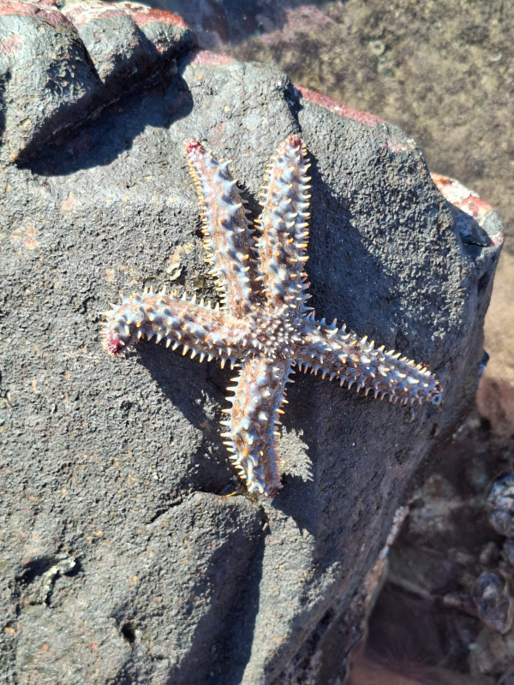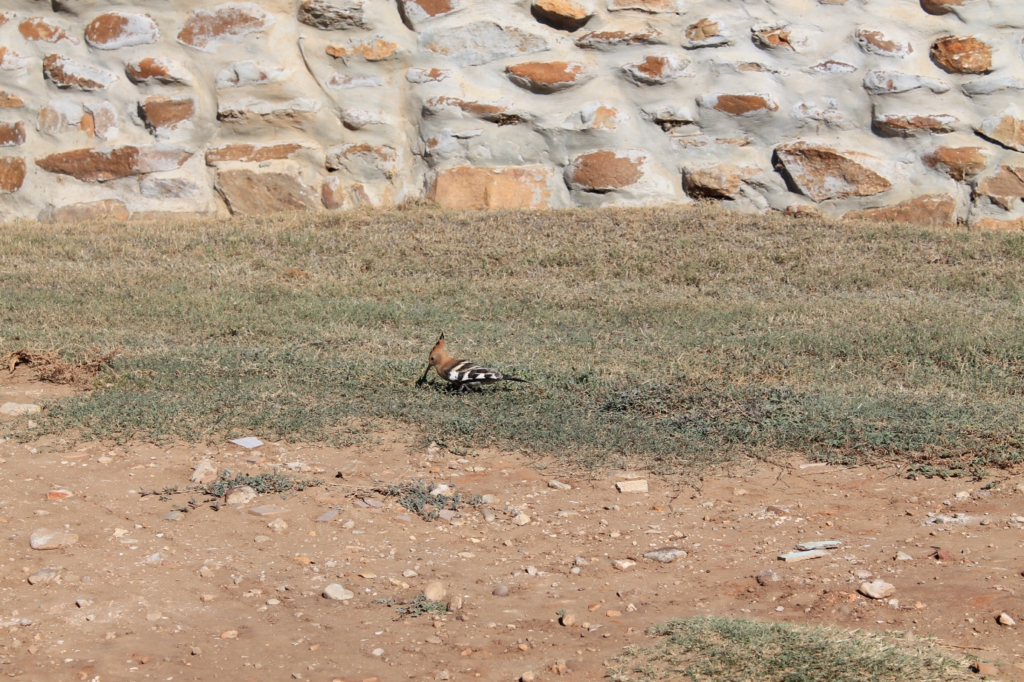
“To sit in the shade on a fine day and look upon verdure is the most perfect refreshment.” –
Jane Austen
Compliance Management
Marine Living Resources Act
During April, the Rangers came across a total of 138 fishermen, recreational fishing, spearfishing/diving, and bait collecting permits were inspected by Bernard, Eben, Hayley, Thomas, Ethan, and Erich in accordance with the Marine Living Resources Act (Act 18 of 1998).
Of the 138 permits checked, all produce a valid permit. We remind everyone that it is essential to be in possession of a permit, even if you are simply fishing for a day or two! We ask that if you witness any fishermen, divers, or bait collectors and suspect they are not following the rules and regulations, please get in touch with the Conservancy immediately.
Natural Resource Management
Gourikwa Nature Reserve Community Outreach Day
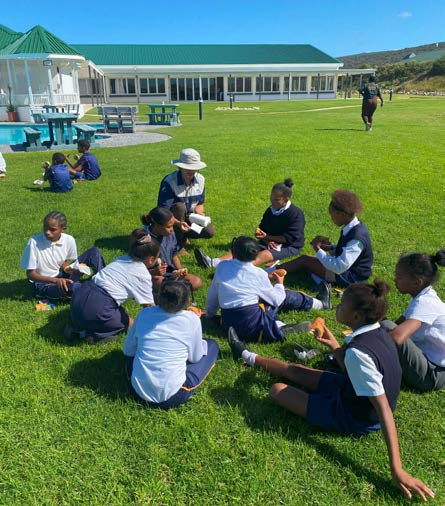
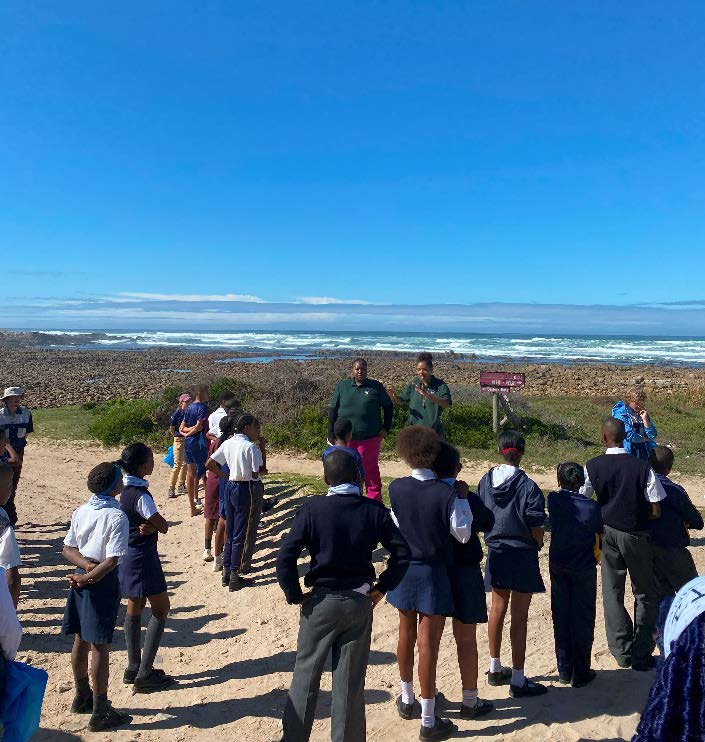
On the 16th of April, the Fransmanshoek Conservancy Rangers joined the dedicated team at Gourikwa Nature Reserve for a vibrant day of community outreach, hosted in collaboration with the Gouritz Cluster Biosphere Reserve Youth Program. The initiative brought together environmental education, hands-on learning, and fun, all aimed at fostering environmental awareness among the youth. The event welcomed 55 learners from three schools in the
Riversdale area: Goedgegun Primary, Molenrivier Primary, and Brakfontein Primary. The day began with a warm welcome and a series of fun, interactive games designed to get the learners engaged and excited.
Following the games, the learners made their way to the beach, where the outreach efforts took on a more focused tone. Each Ranger took a group of learners and led discussions on the impact of littering, the importance of recycling, and the broader importance of protecting our natural environment. Through simple but powerful conversations, the learners were encouraged to think critically about the role they play in caring for the planet. Thereafter, a beach cleanup was done.
The Outreach Day was a resounding success, combining education with experience and leaving a positive impression on all who attended. It was a celebration of partnership, youth engagement, and a shared commitment to a cleaner, healthier environment. A huge thank you to the Gouritz Cluster Biosphere Reserve team for their continued efforts in environmental education and youth empowerment, and to Gourikwa Nature Reserve for warmly welcoming us and allowing us to be part of this meaningful day.
Rescued on the Beach: Kelp Gull Finds Help
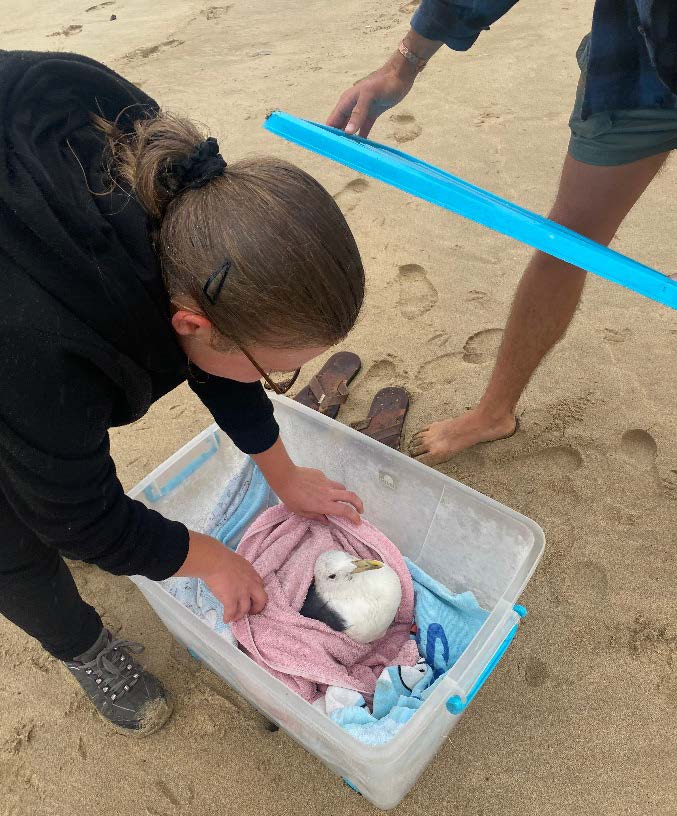
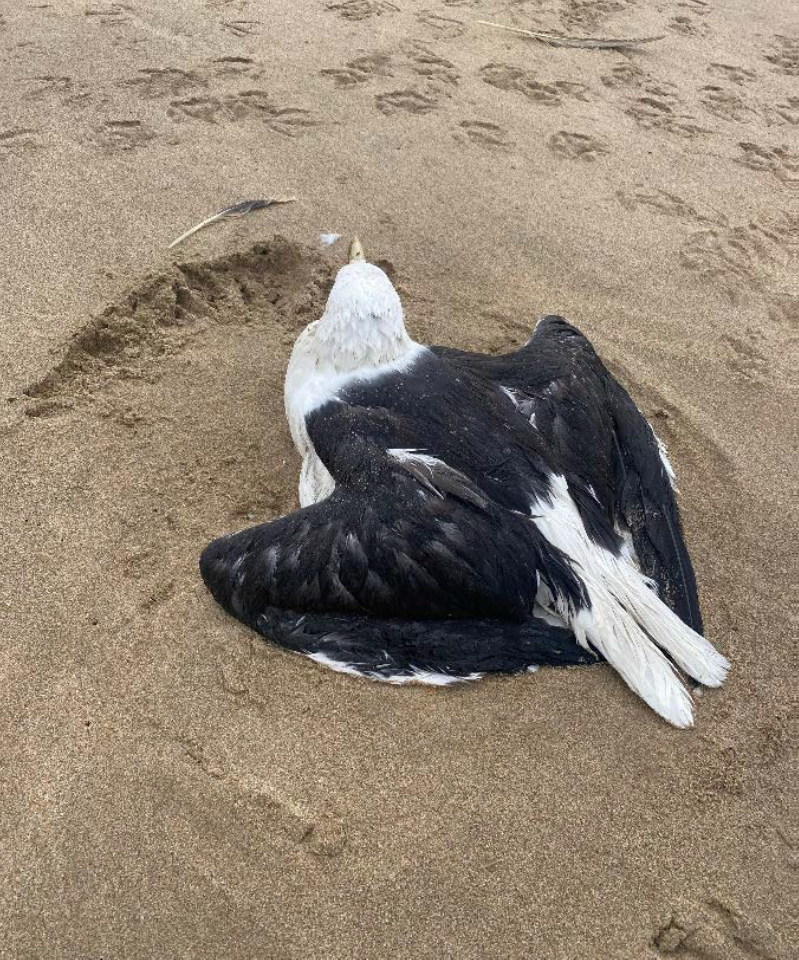
If You Encounter Injured Wildlife, Please Report It
Please contact our team immediately if you spot a wild animal in distress. Quick reporting can save lives. Remember: although it’s natural to want to help, injured wildlife may be scared or defensive. Do not approach or try to handle the animal yourself – leave it to the trained professionals. Every report matters. Every life counts. Let’s keep working together to protect our coastal ecosystem.
Conservation Day 2025
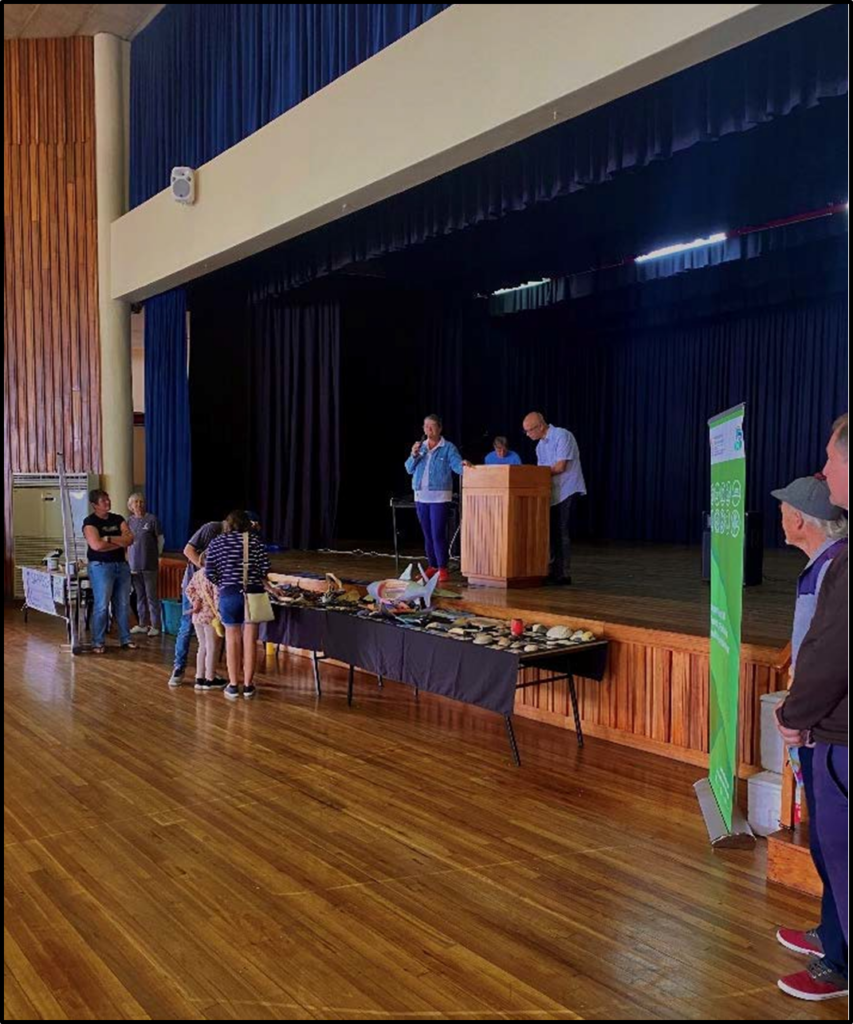
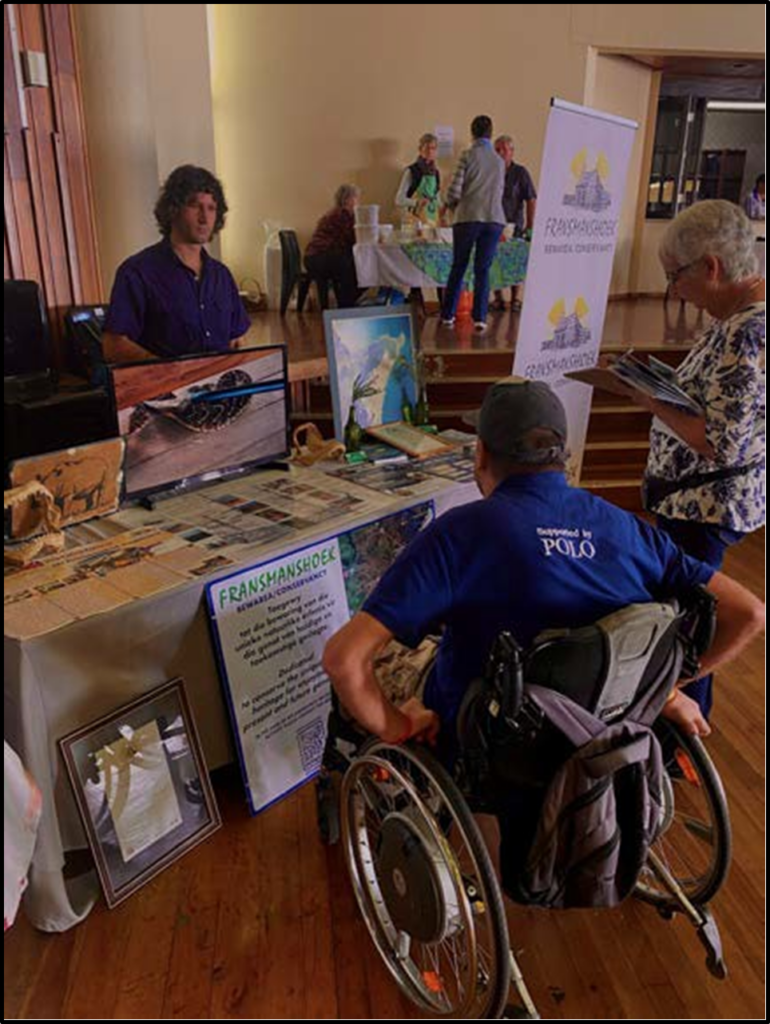
On 26th April, the Mossel Bay Town Hall became a vibrant hub of environmental passion and collaboration as it hosted the first-ever Conservation Day under the banner of the newly formed Mossel Bay Conservancy Forum NPC. This landmark event brought together conservancies and environmental organizations from across the Mossel Bay Municipal Region, creating a unified platform to celebrate conservation achievements, strengthen networks, and educate the broader public on the invaluable work being done to protect our natural heritage.
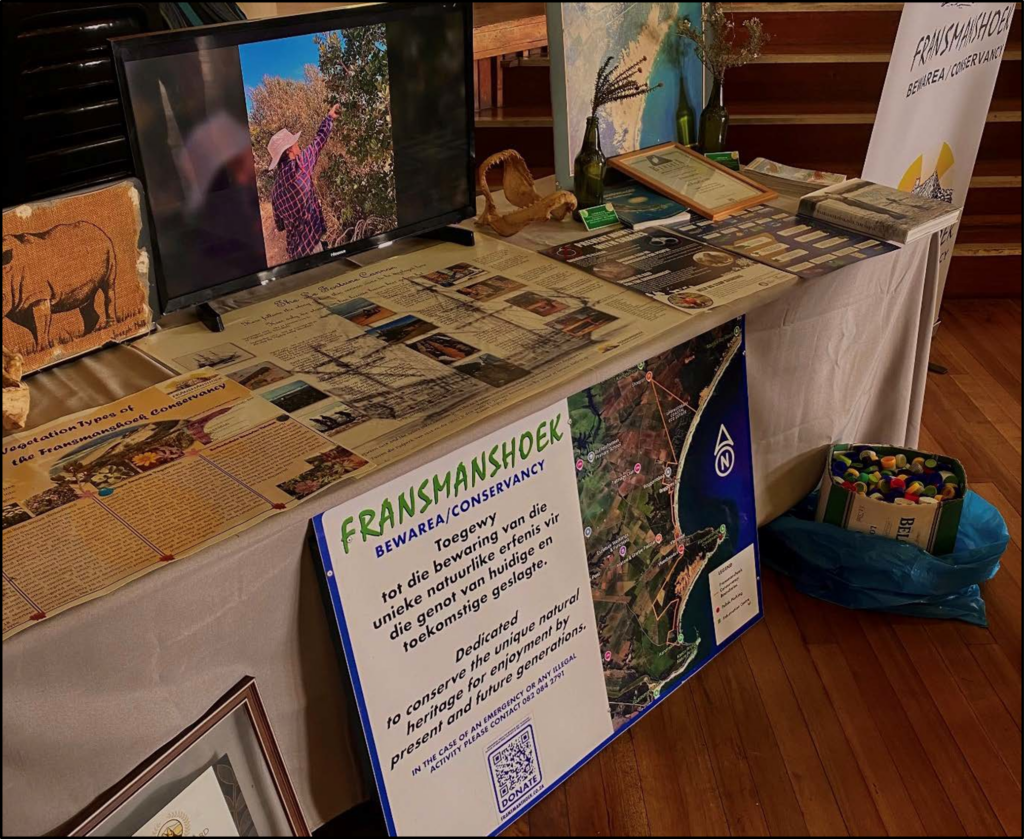
The Mossel Bay Conservancy Forum NPC, officially established in September 2024, has rapidly positioned itself as a key player in regional environmental stewardship. Under the capable leadership of Chairperson Erich Goold (Head Ranger at Fransmanshoek Conservancy) and the Deputies Erika van der Westhuizen (Danabaai Conservancy) and Scott Thompson (Great Brak River Conservancy), the Forum has provided structure and momentum to the collective efforts of conservancies and environmental organizations across the municipality.
Conservation Day 2024 was conceived with three primary goals:
• To celebrate the ongoing conservation efforts across the Mossel Bay Municipality Region.
• To foster collaboration and deeper connection among conservancies and environmental organizations..
• To engage and inform the public about local conservation projects and encourage community involvement.
The event was expertly planned and coordinated by Deputy Chairperson Erika van der Westhuizen, Chairperson of Danabaai Conservancy, whose dedication and organizational skills ensured the smooth running of the day’s activities. The Town Hall was transformed into an exhibition space showcasing diverse conservancies and environmental NGOs. Informational displays and interactive booths created an engaging and educational atmosphere for visitors
We extend special thanks to Mossel Bay Municipality Manager, Mr. Colin Puren, whose attendance underscored the importance of municipal support for conservation initiatives. His presence signalled the growing recognition of environmental health’s role in the well-being of the broader community. Gratitude is also due to the various environmental groups who dedicated their time, energy, and resources to make this event a success, and to the public whose enthusiastic participation made the day all the more meaningful. Conservation Day 2025 marked a significant milestone in fostering unity among conservation stakeholders in Mossel Bay. The event not only celebrated past achievements but also laid the groundwork for future collaborations and expanded public involvement.
Environmental Education
Protecting Our Ocean Neighbours: Why Marine Wildlife Matters
The ocean isn’t just a vast, beautiful expanse of blue, it’s a thriving, dynamic ecosystem that supports over 90% of the world’s living species, from plankton and coral reefs to dolphins and endangered sea turtles. These species are essential for biodiversity, climate regulation, and even global food security. But today, they face growing threats from human activity. At Fransmanshoek Conservancy, we’re proud to be part of the growing network raising awareness about these issues and working toward lasting change for our marine environment.
Threats to Marine Life: What’s Happening Beneath the Surface
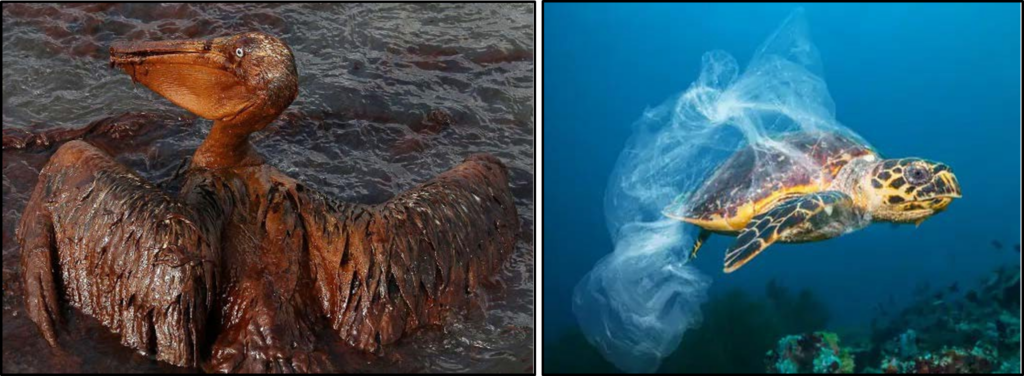
• Plastic Pollution: An estimated 8 million tons of plastic enter our oceans annually, killing more than 100,000 marine animals every year. Sea turtles, in particular, often mistake plastic for jellyfish, while birds and marine mammals become entangled in plastic debris.
• Oil Spills & Toxic Dumping: Oil and chemical pollution can destroy insulation in seabirds and damage the internal organs of marine mammals. Coral reefs, essential habitats for many species, also suffer lasting damage.
• Overfishing: This disrupts food chains and marine ecosystems, depriving larger species of vital food sources and threatening the long-term sustainability of ocean life.
• Coastal Development: Urban growth and increased tourism disturb sensitive nesting sites of seabirds and turtles. Artificial lighting confuses turtle hatchlings, drawing them away from the sea and toward danger.
• Lack of Knowledge: Well-meaning but uninformed actions, like returning stranded hatchlings to the water too soon, can prove fatal. Hatchlings may be too weak or cold to survive without proper rehabilitation.
• Vessel Strikes & Ocean Noise: Marine mammals like whales and dolphins, which rely on echolocation, are disoriented by ship noise and at risk of vessel collisions.
• Climate Change: Warming oceans have already bleached 75% of the world’s coral reefs. Sea ice is rapidly melting, threatening species like polar bears, seals, and phytoplankton (the foundation of the oceanic food chain).

How You Can Help
• Cut Down on Plastic: Ditch single-use plastics and participate in beach cleanups.
• Visit the Beach Responsibly: Avoid nesting areas, keep pets on leashes, and don’t leave waste behind.
• Report Injured Animals: If you find a sick or stranded marine animal, contact local rescue services or your nearest Ranger. Never try to intervene on your own.
• Dispose of Chemicals Safely: Never pour chemicals down drains or toilets. Use municipal hazardous waste programs.
• Educate Others: Share what you know and help others understand how their actions impact the marine world.
At Fransmanshoek Conservancy, we believe education is a powerful tool for conservation. Every small action contributes to a greater good. Together, we can protect the extraordinary life that calls the ocean home.
Monthly Species Profile
Fork-tailed Drongo / Mikstertbyvanger
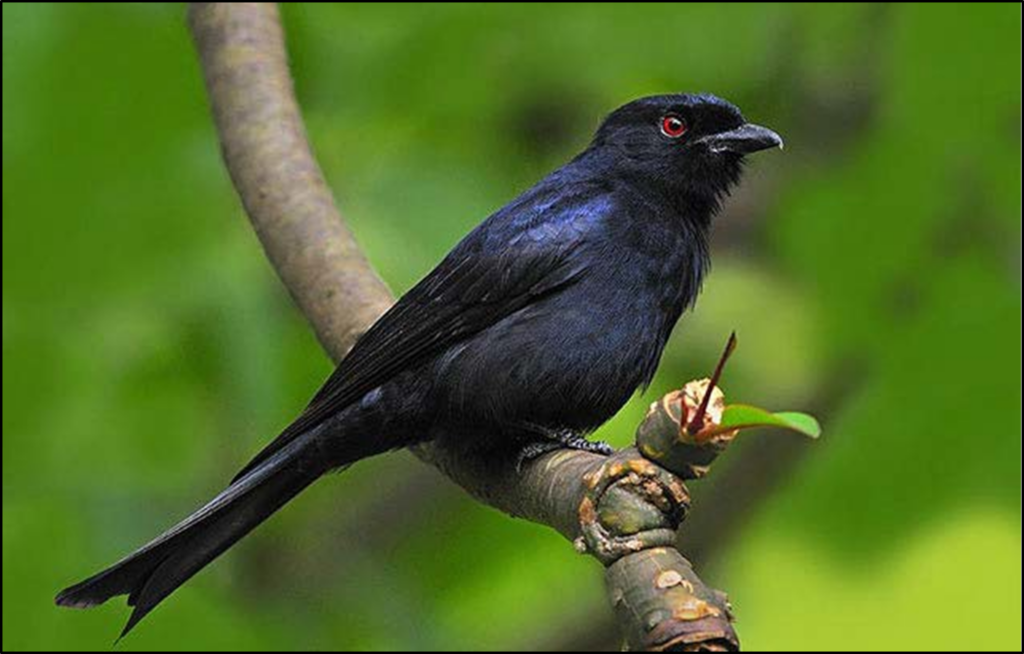
Scientific name: Dicurus adsimilis
Family: Dicruridae
Description: The Fork-tailed Drongo can be identified by its red eyes, glossy all-black plumage and an upright stature, with a characteristic narrow tail that has an upside-down “V”-shape at the end. Usually about 23 – 26 cm in length from head to tail, weighing around 38 – 55 g. Primary feather are visibly paler in color than convert feathers during flight, and they can be distinguished from their other Drongo relatives from their larger size than the Square-tailed Drongo, and the more prominent “V” in their tails. Juveniles have buff-tipped wing coverts, as well as mottled underparts, dark brown eyes, and yellow gape.
Distribution: The Fork-tailed Drongo is principally found in large parts of sub-Saharan Africa. It occupies a wide range of territories across the continent, from arid savannas to more temperate open woodlands. Its distribution is largely tied to regions where open spaces and scattered perches are available, allowing it to survey for prey and engage in its dynamic flight displays. Local populations can often be observed in both rural and peri-urban environments, indicating a degree of adaptability to various landscapes.
Habitat: Adaptability is one of the Fork-tailed Drongo’s notable traits, as it thrives in a variety of open habitats. Typically, these birds are associated with savannas, grasslands, and lightly wooded areas—places where the landscape is open enough to allow for efficient foraging on the wing. They are also commonly seen near human settlements, where agricultural practices and fragmented natural habitats provide ample foraging opportunities and perching sites. However, they tend to avoid dense forest interiors, which do not support their hunting style or flight pattern
Diet: Primarily an insectivore, the Fork-tailed Drongo plays an important role in controlling insect populations in its ecosystem. Its diet mainly consists of flying insects, which it expertly catches mid-air during agile pursuits. In addition to insects, some records suggest that on occasion it may target small vertebrates or scavenge, displaying opportunistic feeding behavior. This varied diet not only underscores its adaptability but also positions the Drongo as a key predator within the food web, contributing to the balance of its natural habitat.
Importance: The Fork-tailed Drongo is more than just an impressive sight in the sky; it is a vital part of its ecosystem. As an efficient insect predator, it helps regulate populations of insects that could otherwise affect crops and native vegetation. In agricultural regions, its presence is often considered beneficial for natural pest control. Moreover, the species holds cultural and ecological significance in various local communities and is a favourite among birdwatchers and ornithologists. Its behavior and adaptability have inspired local folklore, reinforcing its role as a symbolic figure in regional biodiversity.
Conservation Status: Overall, the Fork-tailed Drongo is not currently the focus of major conservation concerns. With a stable population across much of its wide distribution range and a high degree of adaptability, it is typically classified as a species of Least Concern by conservation organizations. That said, like many wildlife species, it can be susceptible to habitat degradation and changes in land use. Continued monitoring of its population trends is important to ensure that local factors, such as intensive agriculture or urban expansion, do not begin to adversely affect its numbers in specific regions.
References
LIVERMORE, S. 2024. Five of the Biggest Threats to Life in the Ocean. [online] https://www.ifaw.org/international/journal/five-biggest-threats-to-ocean [Accessed April 2025]
NATIONAL OCEANIC AND ATMOSPHERIC ADMINISTRATION. 2022. How do Oil Spills Affect Coral Reefs? [online] https://response.restoration.noaa.gov/about/media/how-do-oil-spills-affect-coralreefs.html#:~:text=Once%20oil%20comes%20into%20contact,in%20and%20around%20coral%20ree fs. [Accessed April 2025]
RITTER, D. 2024. Australia’s oceans need more than our awe: They need our protection. [online] https://adventure.com/greenpeace-david-ritter-save-our-oceans/ [Accessed April 2025]
SAPREC. 2025. Seabird And Penguin Rehabilitation Centre. [online] https://www.saprec.org/ [Accessed April 2025]
SINCLAIR, J., HOCKEY, P.A.R., & TARBOTON, W.R. 1993. Sasol Birds of Southern Africa. 5th ed. [Accessed April 2025]
SOUTHAFRICA.CO.ZA. 2025. Fork-Tailed Drongo. [online] southafrica.co.za/fork-tailed-drongo.html [Accessed April 2025]
WESTERN CAPE GOVERNMENT. 2022. Protecting our Marine Life. [online] https://d7.westerncape.gov.za/general-publication/protecting-our-marine-life-0 [Accessed April 2025]
BERNARD VAN HEERDEN
EBEN DE WET
HAYLEY THORPE
THOMAS WILLEMS
ETHAN ELBRECHT
ERICH GOOLD
FRANSMANSHOEK CONSERVANCY
082 084 2791 | fransmanshoek@gmail.com