
“Take only memories, leave only footprints.” Chief Seattle
Compliance Management
Marine Living Resources Act
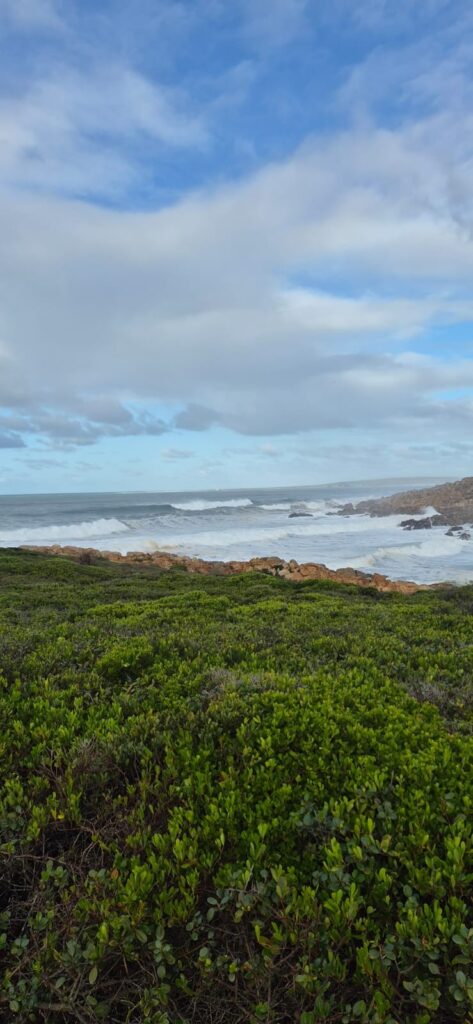
During April, the Rangers came across a total of 20 fishermen, recreational fishing, spearfishing/diving, and bait collecting permits were inspected by Divan, MC and Stefan in accordance with the Marine Living Resources Act (Act 18 of 1998). Of the 20 permits checked, all produce a valid permit. We remind everyone that it is essential to be in possession of a permit, even if you are simply fishing for a day or two! We ask that if you witness any fishermen, divers, or bait collectors and suspect they are not following the rules and regulations, please get in touch with the Conservancy immediately.
Natural Resource Management
Beach Cleanup
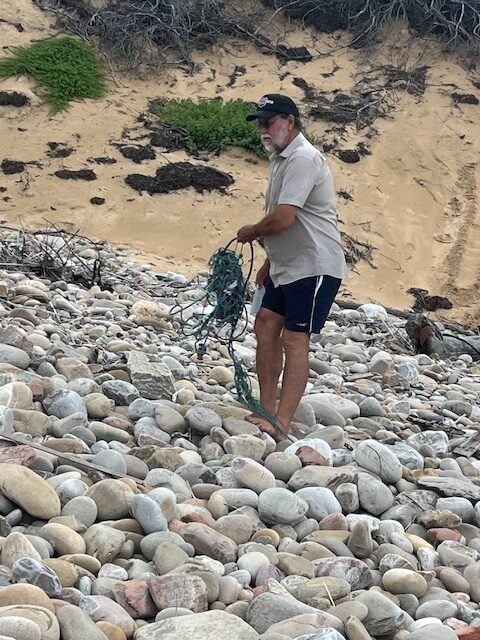
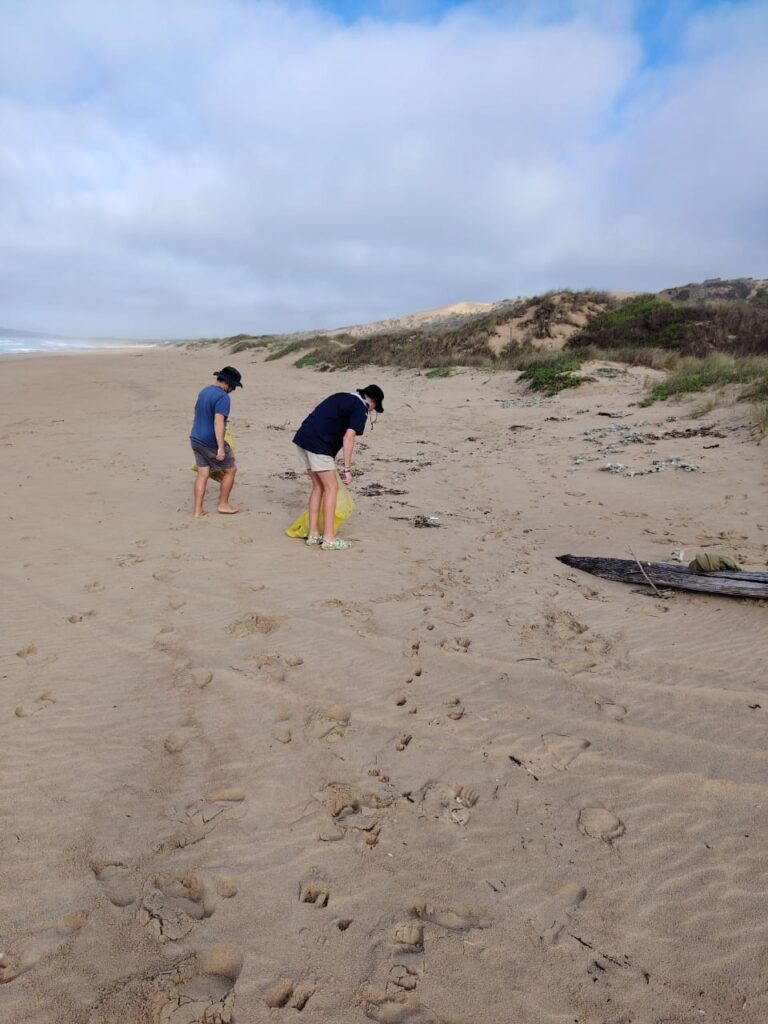
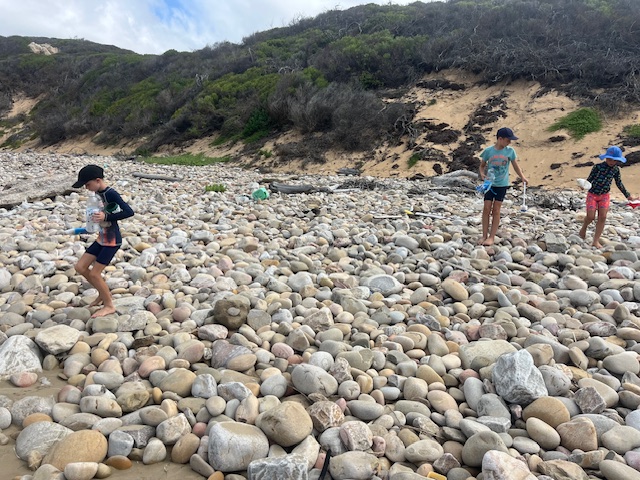
Rangers from the Fransmanshoek Conservancy carried out a beach cleanup at Kanon Strand, where litter and marine debris were removed from the shoreline. Waste collected typically includes plastic bottles, packaging, fishing line, and other materials that wash up from the ocean or are left behind by visitors.
Keeping beaches clean is important because pollution can easily enter the ocean and affect marine ecosystems. Animals such as seabirds, fish, and turtles can mistake plastic for food or become entangled in debris, which can lead to injury or death. In addition, waste on beaches can break down into smaller particles (microplastics), which remain in the environment for long periods and are difficult to remove.
Regular cleanups help maintain the natural condition of coastal areas, protect wildlife, and reduce the amount of pollution entering the marine environment. Clean beaches also support tourism and ensure that these areas remain safe and usable for people.
First Aid Training
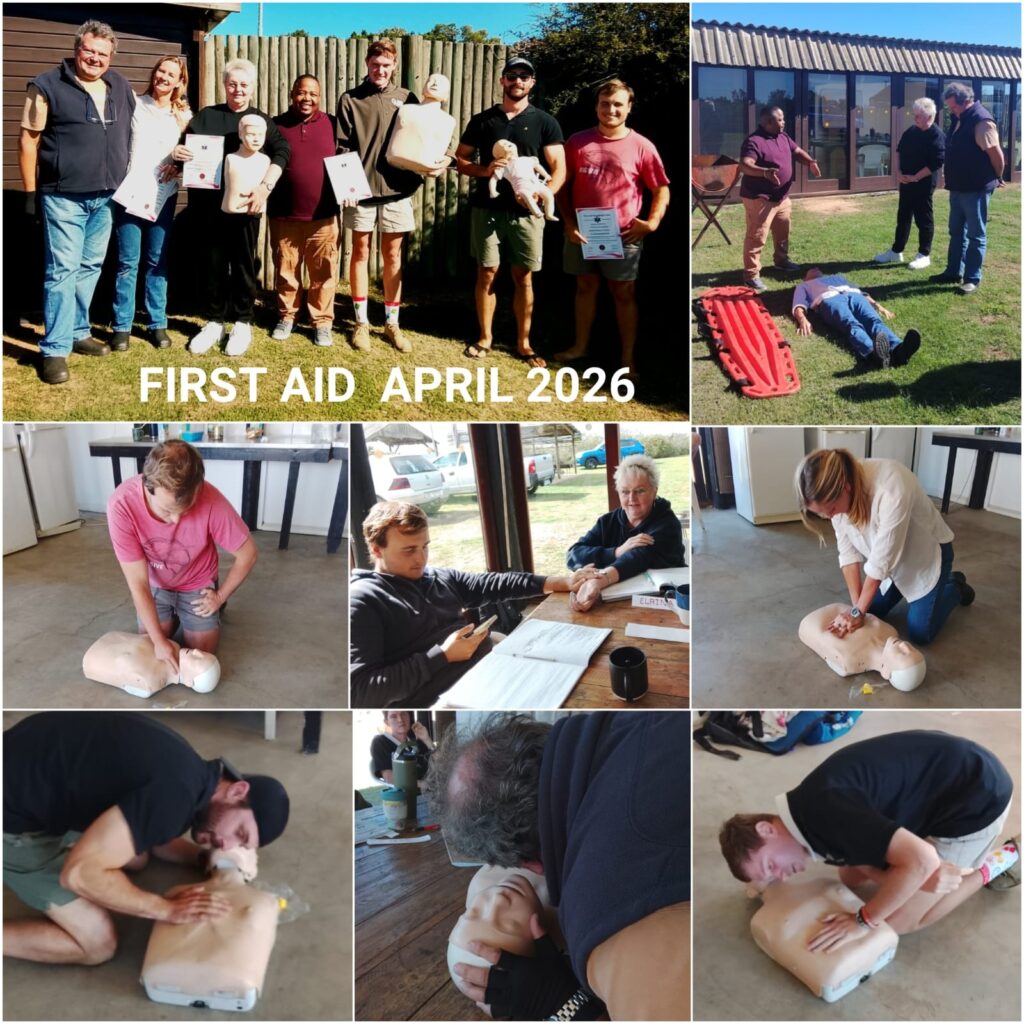
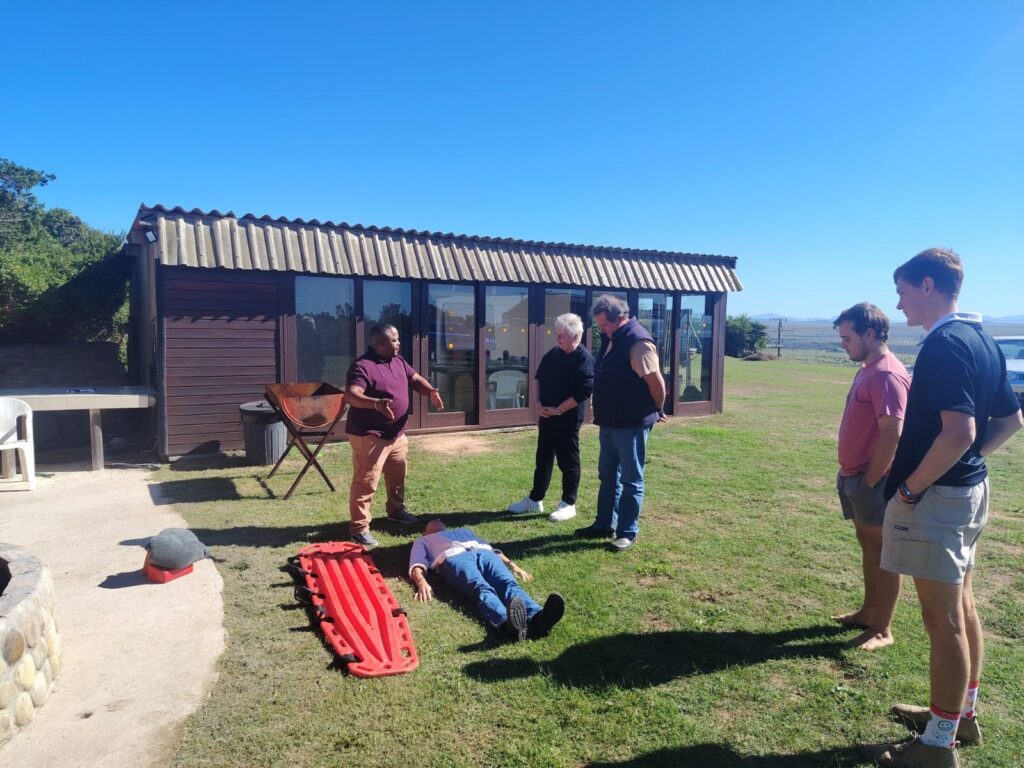
Rangers and members of the Fransmanshoek Conservancy completed a four-day first aid training course. The training covered essential emergency response skills, including basic first aid procedures, treatment of injuries, and appropriate actions to take in emergency situations within a conservation environment.
The purpose of the training was to ensure that staff are properly equipped to respond effectively to incidents in the field, improving overall safety for both people and wildlife.
The course included things from burn wounds to cpr educating the rangers as well as the members on what to do in situations that are not a common occurrence.
Environmental Education
Turtle breeding season
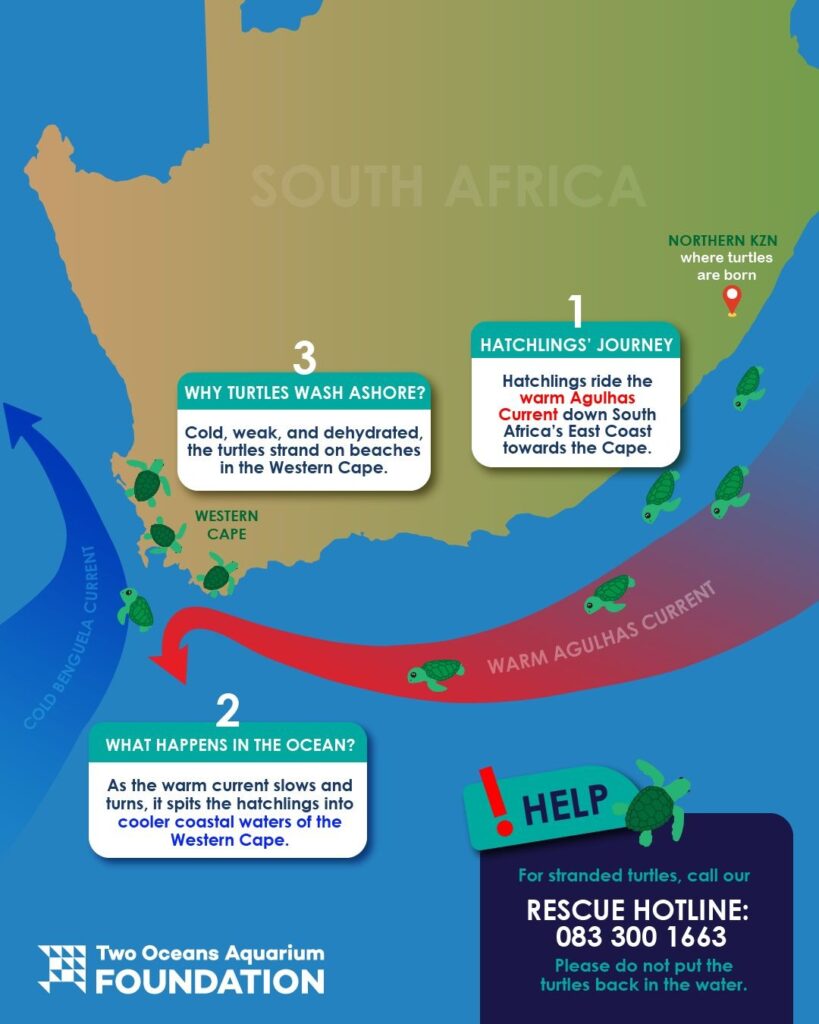
As we enter the turtle breeding season, it is important to recognise the role turtles play as part of marine natural resources and the need to protect them. Rangers from the Fransmanshoek Conservancy, together with the local community, held a turtle rescue educational day at Bogomsbaai.
The session included a presentation on how to respond when turtles wash up on the beach, including correct handling procedures and who to contact. Demonstrations were also done to show the correct way of handling turtles. Approximately 15–20 community members attended, and participants asked questions and engaged with the information.
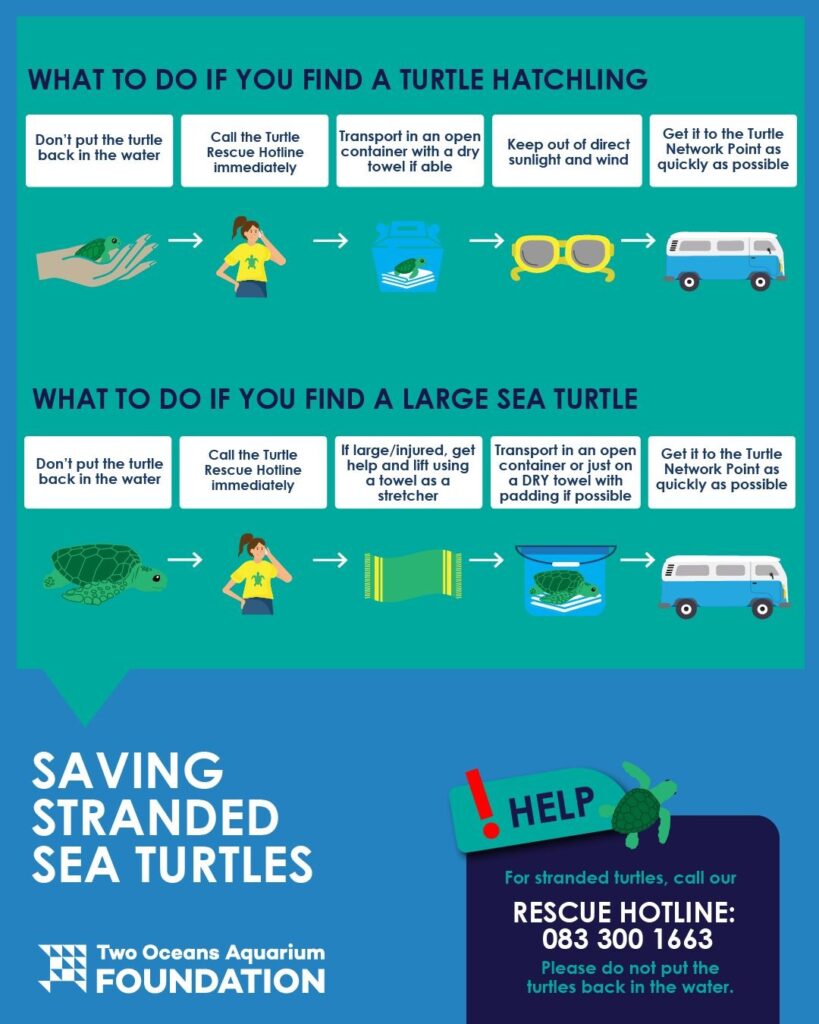
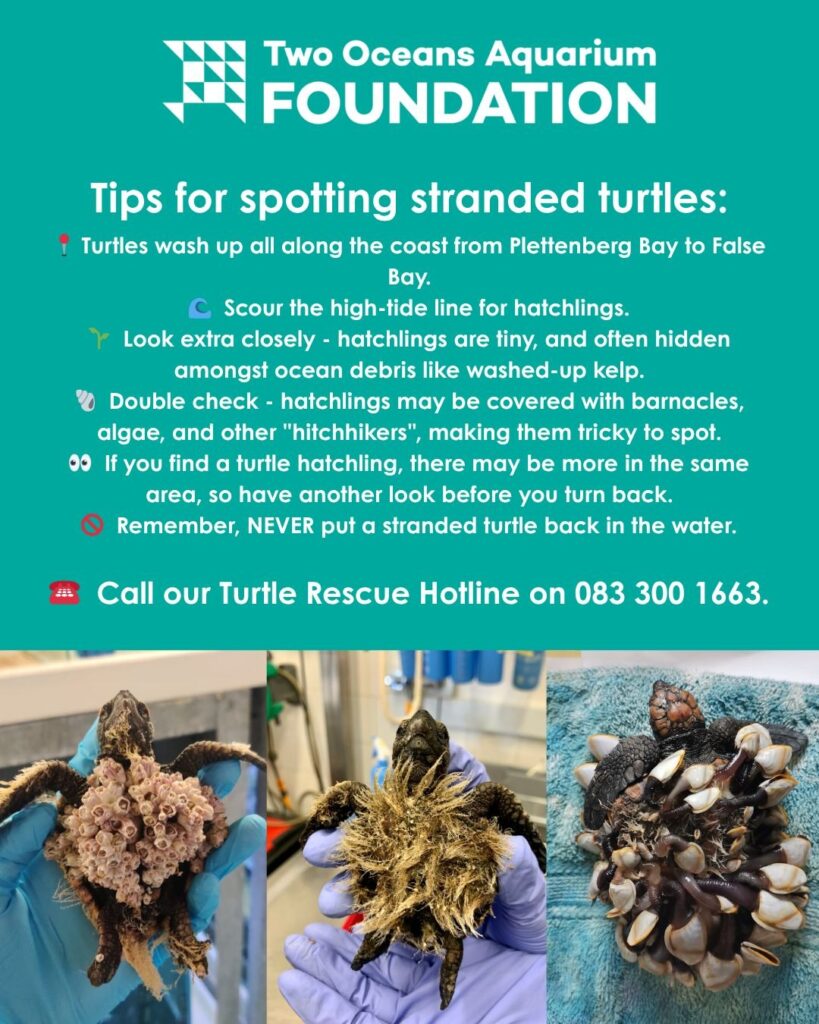
Remember to always call the people who know how to deal with these situations and they will assist you in the case of finding a stranded turtle.
Monthly Species Profile – Bontebok
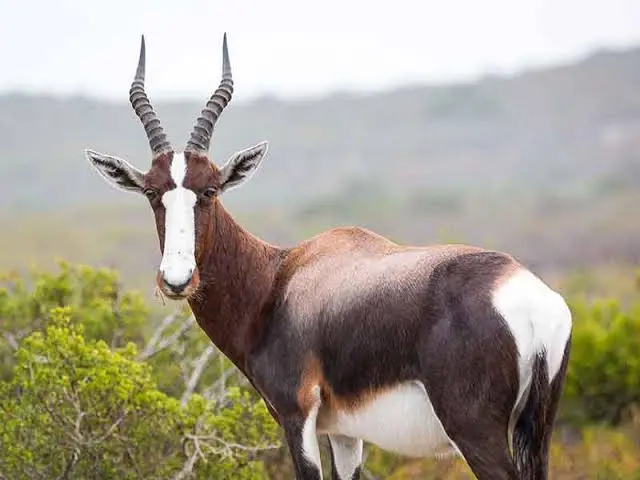
Scientific name: Damaliscus pygargus pygargus
Family: Dicruridae
Description: The bontebok is a distinctive antelope with a dark brown to purple coat and clear white markings. It has a white blaze on the face, white legs, and a white rump. Both males and females have ringed, lyre-shaped horns. It is smaller than many other antelope and is well adapted to open areas.
Distribution: Bontebok are endemic to South Africa, meaning they are found naturally only in this country. They mainly occur in the Western Cape, especially in protected areas like Bontebok National Park and on private reserves.
Habitat: They prefer fynbos and open grassland habitats, often close to water sources. These environments provide suitable grazing and space for movement.
Diet: Bontebok are herbivores and mainly grazers, feeding on grasses. They may also eat small amounts of shrubs or herbs depending on availability.
Conservation Status: The bontebok was once close to extinction but has recovered due to conservation efforts. However, it is still considered vulnerable due to habitat loss, population fragmentation, and genetic threats. (CapeNature, 2021)
References
CapeNature. 2021. The bontebok: A species saved from the brink of extinction. Available at:https://www.capenature.co.za/news/2021/the-bontebok-a-species-saved-from-the-brink-of-extinction
Stefan Otto
MC Prins
Divan Breet
FRANSMANSHOEK CONSERVANCY
082 084 2791 | fransmanshoek@gmail.com
Like and Follow us on: @fmhconservancy