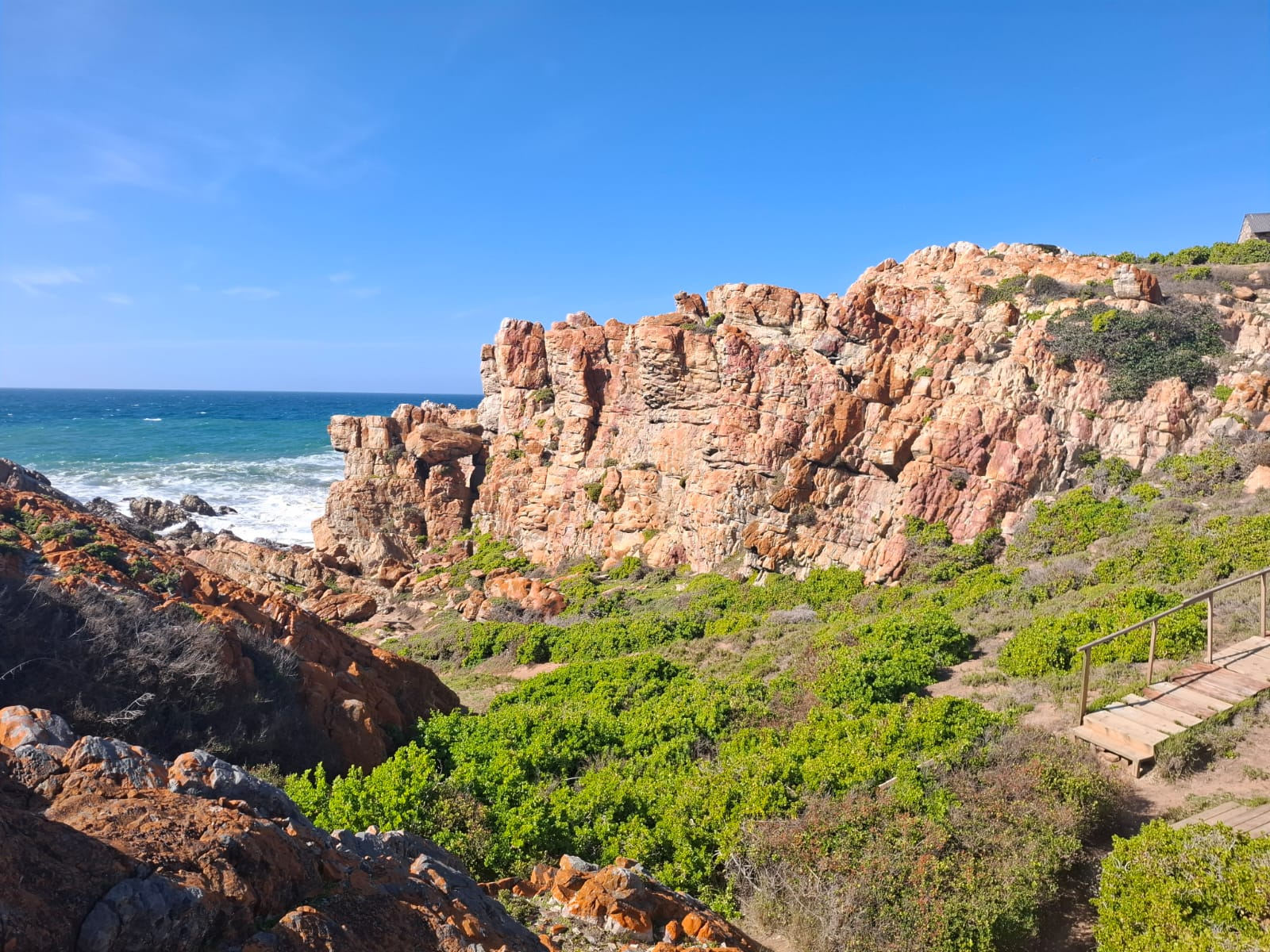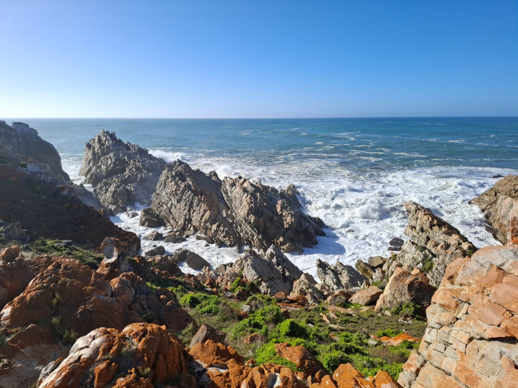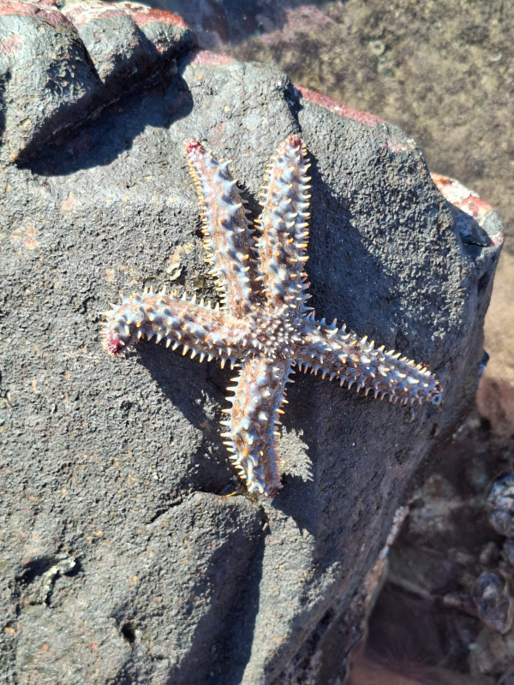

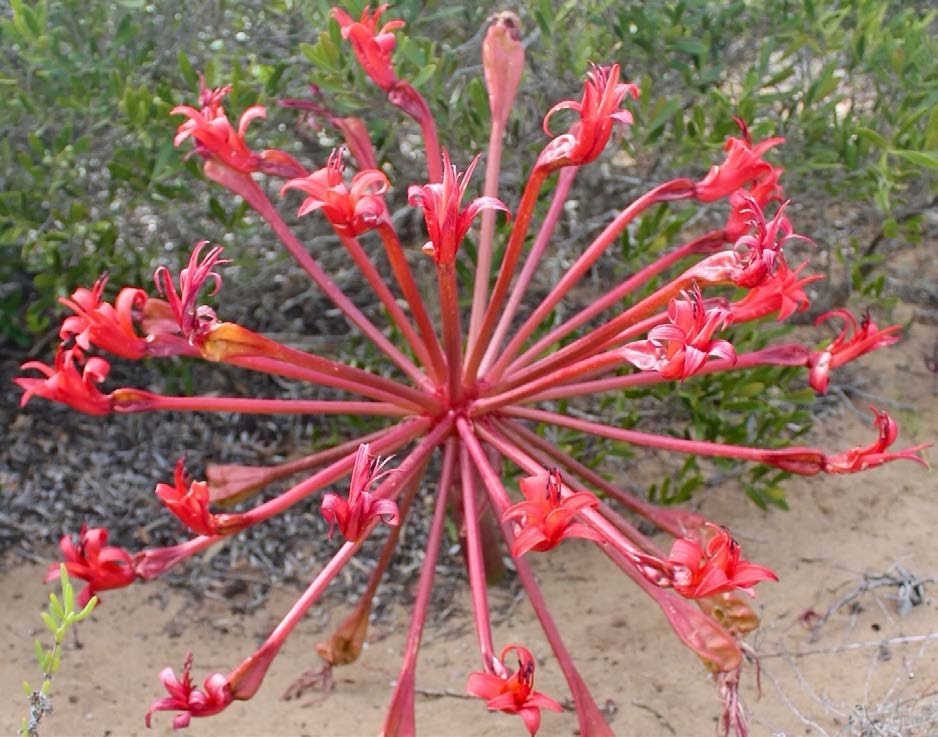
“In nature, nothing is perfect and everything is perfect. Trees can be contorted, bent in weird ways, and they’re still beautiful.” – Laura Ingalls Wilder
Compliance Management
Marine Living Resources Act
During March, the Rangers came across a total of 63 fishermen, recreational fishing, spearfishing/diving, and bait collecting permits were inspected by Bernard, Eben, Hayley, Thomas, Ethan, and Erich in accordance with the Marine Living Resources Act (Act 18 of 1998). Of the 63 permits checked, one (2%) failed to produce a valid permit. We remind everyone that it is essential to have a permit, even if you are simply fishing for a day or two! We ask that if you witness any fishermen, divers, or bait collectors and suspect they are not following the rules and regulations, please get in touch with the Conservancy immediately.
Natural Resource Management
Protecting Paradise: Beach Cleanup and Trail Maintenance for a Cleaner Coast
On the 28th of February and the 1st of March, the Rangers of Fransmanshoek Conservancy dedicated their efforts to vital maintenance work on sections of the Geoff Cowley and Oystercatcher Trail. These trails, known for their scenic beauty and biodiversity, had become overgrown and increasingly difficult to traverse. Clearing the paths ensures that visitors can safely and comfortably explore the area, fully immersing themselves in the breathtaking coastal landscape. Maintaining these trails is not just about accessibility–it plays a crucial role in fostering an appreciation for the region’s natural heritage and the ongoing conservation efforts that protect it. A well-kept trail enhances the experience for hikers, encouraging repeat visits and ongoing support for the conservancy’s work.
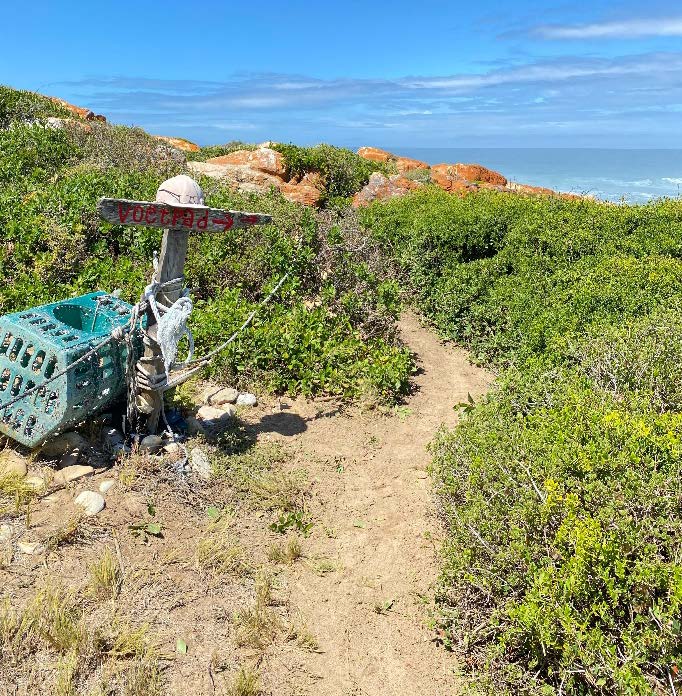

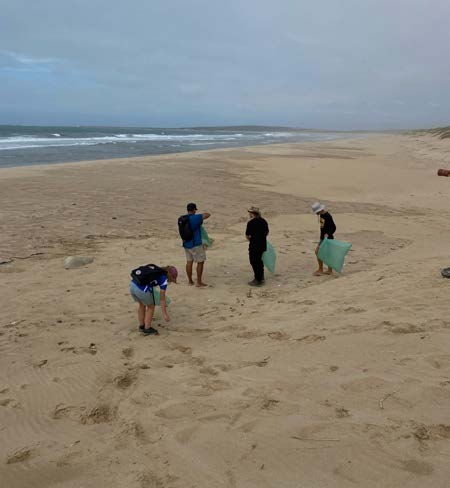
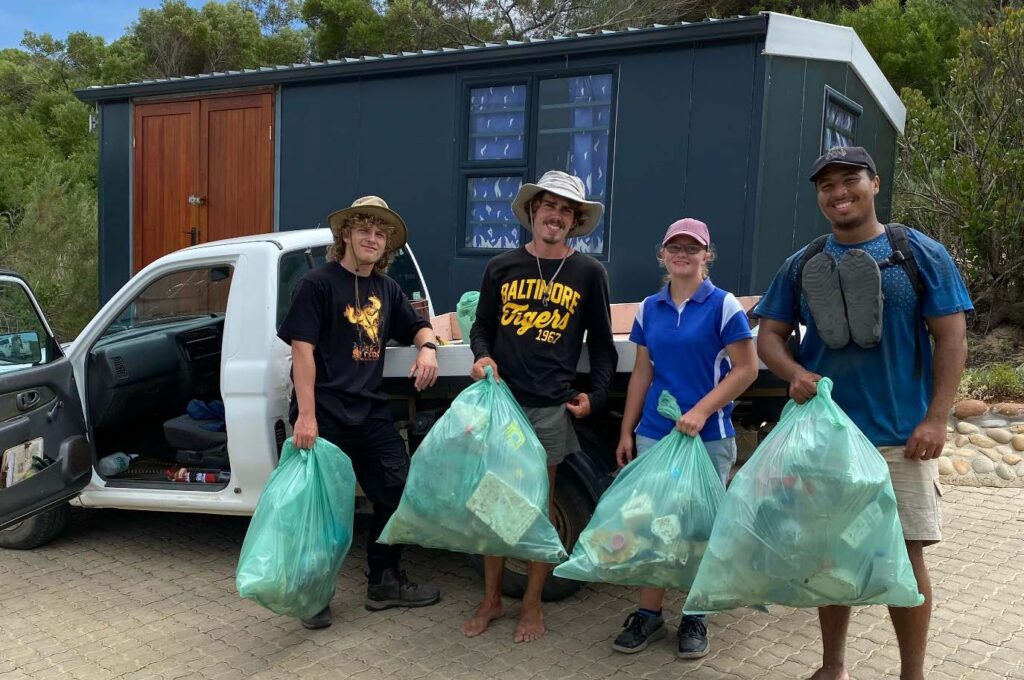
Beyond trail maintenance, the Rangers seized the opportunity to conduct a beach cleanup along a section of the coastline. Marine pollution, particularly plastic waste, remains a pressing environmental concern. Plastics do not biodegrade but instead break down into microplastics, which pose a serious threat to marine life and may be mistaken for food. By removing waste before it fragments further, we help safeguard the delicate balance of our coastal ecosystem.
The two-day cleanup yielded significant results, with 12 bags of rubbish collected–five bags on the first day and seven on the second. Among the debris were plastic bottles, fishing lines, polystyrene, and various discarded packaging materials, all of which could have devastating effects on marine life and seabirds had they remained in the environment. These efforts not only contribute to a cleaner, healthier coastline but also serve as a visible reminder of the importance of reducing plastic waste at its source.
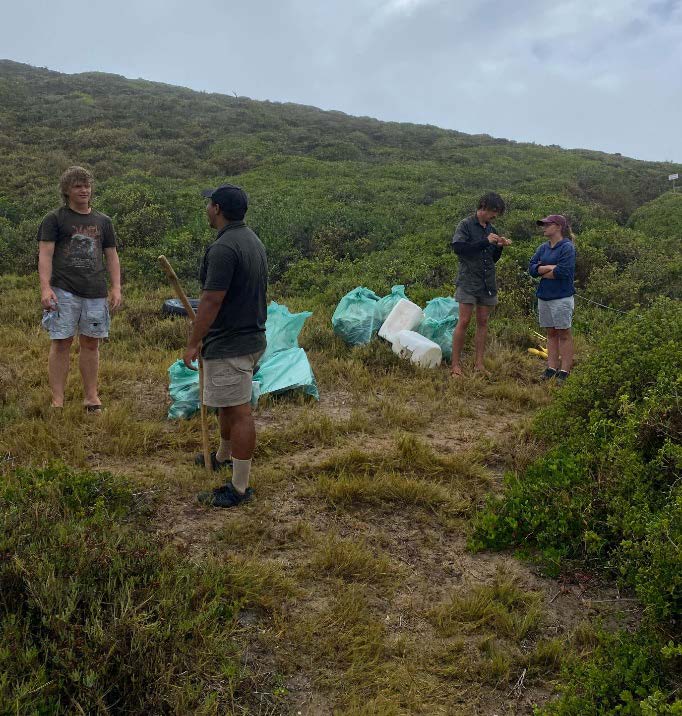
The success of these initiatives underscores the impact that consistent conservation efforts can have on preserving Fransmanshoek’s natural beauty. We encourage visitors to take an active role in protecting this special area–whether by properly disposing of waste, participating in cleanups, or simply respecting the natural environment. Together, we can ensure that Fransmanshoek Conservancy remains a pristine and welcoming sanctuary for generations to come.
Injured Grysbok Found at Fransmanshoek Conservancy: A Reminder to Stay Vigilant
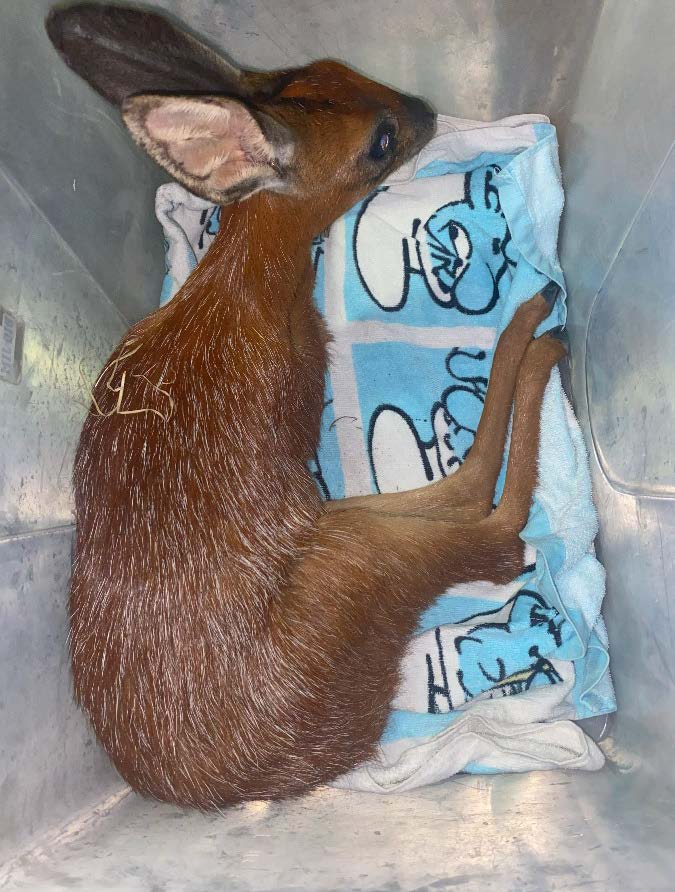
On the evening of Thursday, the 6th of March, one of the Student Rangers at Fransmanshoek Conservancy encountered a distressing sight–a small Grysbok, injured and unable to stand. The young antelope, native to the region, had sustained injuries to its back legs, rendering it immobile and vulnerable to further harm. Recognising the situation’s urgency, the Rangers carefully transported the Grysbok to a secure and isolated room, ensuring that it remained undisturbed and as comfortable as possible. Given the high levels of stress that wildlife can experience when injured, it was essential to provide a quiet environment where the animal could rest overnight before further action was taken.
The following morning, March 7th, the Grysbok was transported to the Animal Hospital in Hartenbos, where it could receive professional veterinary care. The extent of its injuries was assessed, and every effort was made to ensure its recovery and well-being. While the cause of its injury remains uncertain, incidents like this highlight the importance of staying vigilant in areas where wildlife is abundant. The presence of such elusive creatures in the Conservancy serves as a reminder that wildlife is highly active, often in unexpected areas. Whether moving through the coastal vegetation or crossing trails, these animals can be susceptible to accidents and injuries, especially in human-influenced environments. This incident underscores the need for caution when exploring nature reserves, whether on foot or in vehicles.

It is essential to remain aware of one’s surroundings, avoid sudden movements, and respect the natural habitat of the diverse species that call the region home. Additionally, it reinforces the vital role of conservation efforts in safeguarding injured wildlife and providing them with the care they need. Fransmanshoek Conservancy remains committed to protecting the wildlife within its boundaries. Through continued awareness, careful observation, and prompt action, we can ensure that animals like the Grysbok receive the necessary assistance, fostering a healthy and thriving ecosystem.
Pilgrimage of Hope Lighthouse Route Returns
The Pilgrimage of Hope Lighthouse Route is back for another inspiring year, and we at Fransmanshoek Conservancy are honoured to be part of this meaningful journey once again. As Rangers, we eagerly anticipate guiding the pilgrims along the scenic trails of Fransmanshoek, sharing our deep knowledge of the region’s biodiversity, conservation efforts, and the rich history that makes this coastal environment so unique. This pilgrimage is more than just a walk–it is a transformative experience that allows participants to connect with nature on a profound level while embracing the historical and spiritual significance of the lighthouse route. Along the way, we will introduce them to the diverse flora and fauna that thrive in our protected areas, from the resilient fynbos species that blanket the landscape to the marine life that inhabits our rocky shores.
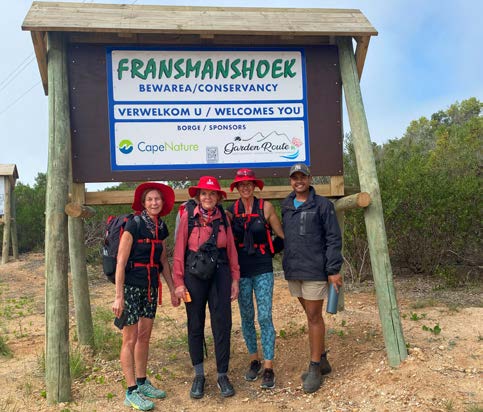
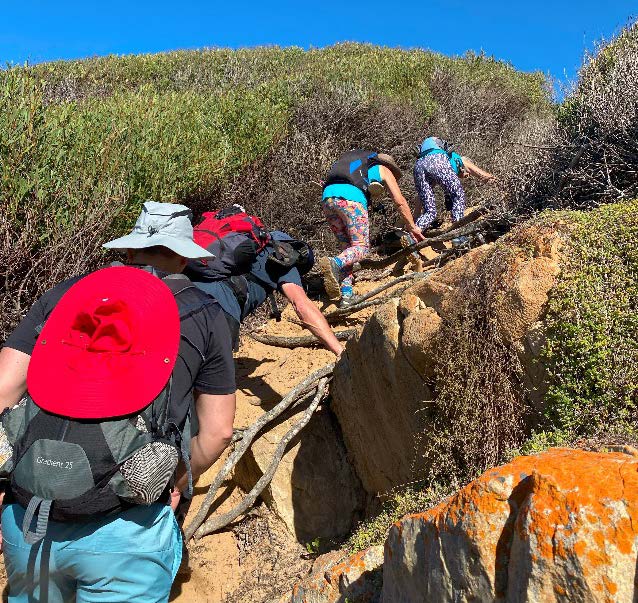
One of the highlights of the journey through Fransmanshoek is the opportunity to witness the pristine coastline in its natural state. As we traverse the trails, we will shed light on the delicate balance of this ecosystem and the ongoing conservation efforts to preserve it. We will also share the fascinating maritime history of the area, including tales of shipwrecks and the role that this rugged coastline has played in shaping the region’s past.
For us as Rangers, the Pilgrimage of Hope is an opportunity to foster a deeper appreciation for conservation and environmental stewardship. Engaging with participants who are eager to learn and reflect on their surroundings reinforces our mission to protect and promote the natural beauty of Fransmanshoek.
Assisting Gourikwa Nature Reserve
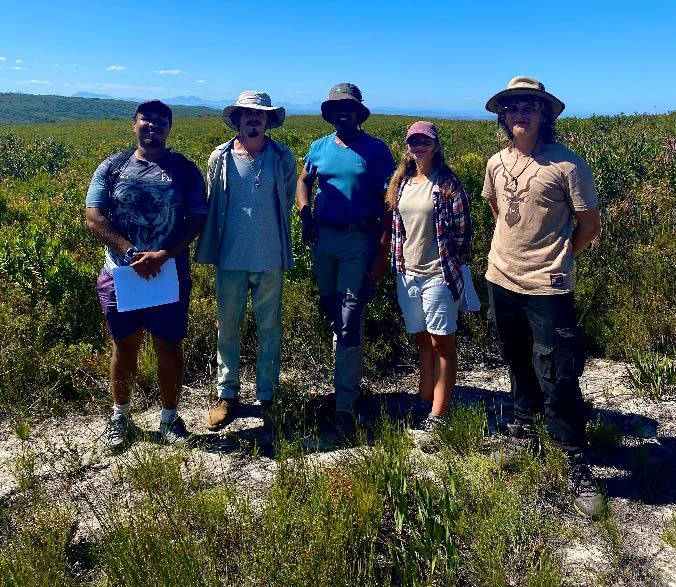
On the 19th and 20th of March 2025, the Rangers of Fransmanshoek Conservancy were asked to visit Gourikwa Nature Reserve to assist their conservation team in completing fieldwork tasks. This included the mapping of several endangered plant species in two plots on the reserve, which our Rangers tackled with enthusiasm, pushing through the vegetation, looking at every blossom with a keen eye, and trying to find the species they were looking for. After a long day’s work, the Rangers with the conservation department at Gourikwa Nature Reserve managed to identify the whereabouts of many leafy individuals that can now be used as part of further research and veld management plans on the reserve. Doing this type of work is not for the easily discouraged, as you will sometimes walk for hours on end, searching for a specific plant, to no available; only to find it on a random occasion with no prior expectation of it. In the end, however, this work remains important, as it enables the conservation of species that are experiencing a decline in distribution by indicating problem areas and pristine spaces, guiding future decisions.
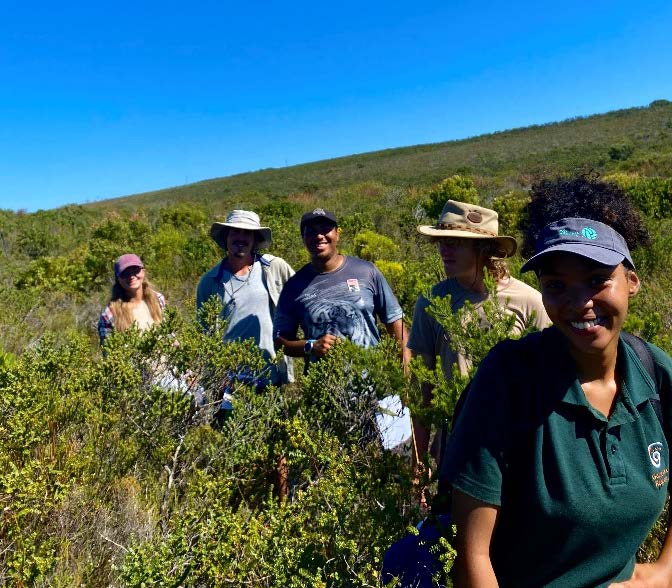
On the 2nd day of our visit, our team set out again, but this time with the task of performing the monthly fence patrol at Gourikwa Nature Reserve. Starting at the bottom of the western perimeter, we hiked northwards, traversing hill after valley, after hill. This hike continued along the fence line for some odd 14 kilometres, until the boundary in the south – the ocean – was reached again. Apart from a few minor problem areas, our team concluded that the fence was otherwise in good condition. Many interesting plant species were also observed along the way, as well as one of the endangered species we had not been able to find the previous day, thus ending the visit on a high note. Completing fence patrols like these may seem tedious, but they are a crucial part of ensuring that the wildlife and plant life are safe. Wild animals, such as eland, can potentially escape and be injured or cause problems if the fence is not maintained properly, or poachers can get onto the property and cause losses to either plant or animal populations.
A huge thanks to the conservation team at Gourikwa for having us and allowing us to experience that side of conservation.
Environmental Education
Greywater and the Environment
Greywater – firstly, what is it? Greywater is the byproduct of our household activities such as bathing, showering, washing dishes, washing clothes, and so on. This should be distinguished from blackwater, the byproduct of toilet usage. It is essentially the water that we discard after us, which contains remnants of all our soaps, detergents, oils, and other contaminants (pollutants), but can still be used to some degree. Greywater is also usually classified into different groups, depending on how dirty it is and the type of “dirt” that it contains.
Many of us don’t think much of it to simply flush this water down the drain, but there can be severe consequences to this negligence. Greywater often contains chemicals and other polluting substances that can infiltrate the environment, especially if water treatment is not done properly, leading to potential health risks for many organisms, including us humans. This threat is not necessarily obvious right away, but it’s never a good idea to wait until intervention is necessary to solve the problem. This effect can often spread further than we expect, affecting areas that seem distant to us.
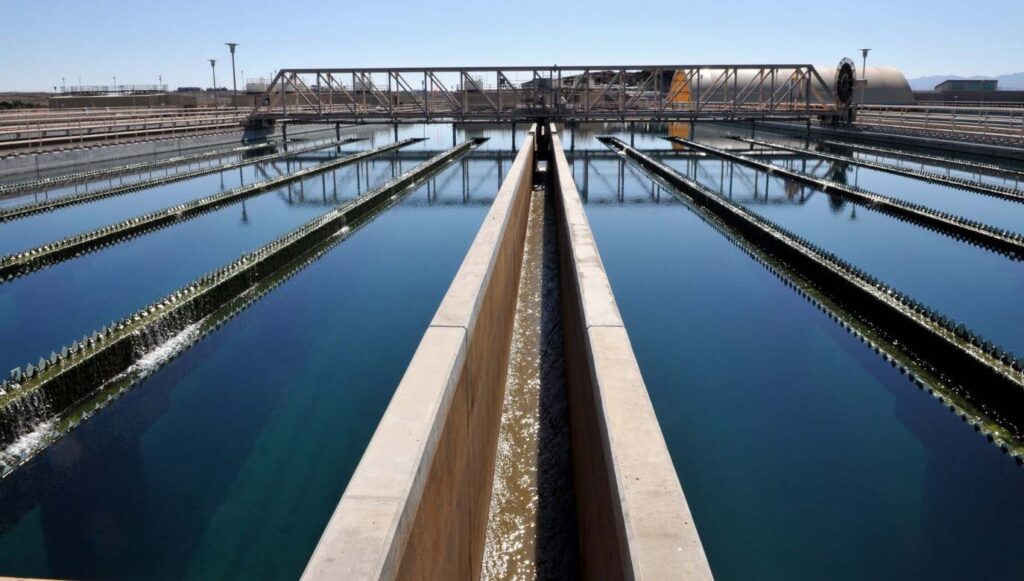
Although there is plenty of freshwater on planet Earth, this water is not distributed evenly among all its inhabitants, and not all of it is in usable condition. Living in South Africa, a country that is generally regarded as being “water-proof” (one of the top 30 driest countries in the world, it would be wise of us to work more sparingly with what fresh water we have, and keep it as clean as we possibly con – there is no use in freshwater if it is too dirty to use.
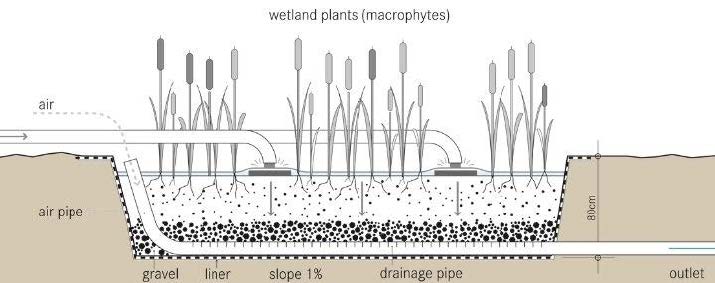
Fortunately, there are solutions to this. Greywater can be easily treated and repurposed by the average person using different methods. Greywater can be stored and used directly for uses such as watering the garden (some of this water will naturally also evaporate and be filtered by the earth’s systems, also known as the hydrological cycle). Greywater can also be filtered using biological filtering methods such as sand filtering, wetland treatment, and septic tanks, to be sent back into the natural systems free from harmful substances. Lastly, greywater can be filtered/treated by mechanical greywater recycling systems to be reused for household purposes.
If each of us uses these methods to whatever degree we are able, we can already start to make a difference in protecting the precious resource that is clean, usable freshwater. Making it safe for use not only by us, but by the people who are to succeed us. By being mindful of the impact we have on our surroundings, we can better understand our role in the bigger picture and help the beauty that we see around us to flourish.
Monthly Species Profile
Cape Porcupine / Ystervark

Scientific name: Hystrix africaeaustralis
Family: Hystricidae
Description: The Cape Porcupine is the largest rodent in Africa and one of the most distinctive mammals due to its impressive coat of sharp quills. These quills, which can grow up to 50 cm long, are a defence mechanism against predators. The porcupine has a stocky body covered in coarse black and white hairs, with longer, hollow quills on its back that rattle when shaken. Its small eyes and rounded ears give it a somewhat slow and cautious appearance, but it is well-adapted to its nocturnal lifestyle.
Distribution: Cape Porcupines are found across southern Africa, including South Africa, Namibia, Botswana, and parts of Zimbabwe. They are widespread in the Western Cape and can be seen in protected areas, farmlands, and even suburban gardens
Habitat: These rodents are highly adaptable and can thrive in various habitats, from dry savannas and fynbos-covered hills to rocky outcrops and forests. They prefer areas with access to rocky crevices, burrows, or dense vegetation for shelter during the day.
Diet: Cape Porcupines are herbivores that feed mainly on roots, tubers, bulbs, bark, and fallen fruits. Their strong teeth allow them to gnaw on tough plant materials and even bones, which provide essential minerals like calcium. Their diet plays a crucial role in seed dispersal and maintaining plant biodiversity.
Life Cycle: Porcupines are monogamous, forming lifelong pair bonds. They mate throughout the year, although births are usually most common during the rainy season, between August and March. The females give birth to one to three offspring, known as porcupettes, after a gestation period of about three months. Unlike adults, porcupettes are born with soft quills, which harden within a few days. They stay in the burrow for the first few weeks before venturing out with their parents to forage. Cape porcupines can live up to 12-15 years in the wild.
Conservation Status: The Cape porcupine is currently listed as Least Concern by the IUCN. While they are not under immediate threat, habitat destruction and human-wildlife conflict pose challenges. Farmers often see them as pests due to their habit of feeding on crops, leading to retaliation. Conservation efforts focus on promoting coexistence and protecting their natural habitats.
References
ANIMALIA. 2025. Cape Porcupine. [online] https://animalia.bio/cape-porcupine [Accessed March 2025]
IUCN RED LIST. 2016. Hystrix africaeaustralis. [online] https://www.iucnredlist.org/species/10748/115099085 [Accessed March 2025]
HOPE CAMINO. 2025. Lighthouse Route. [online] https://hopecamino.co.za/lighthouse-route/ [Accessed March 2025]
LANDMAN, J.P. 2025. South Africa’s water crisis and the reform agenda [online] https://www.polity.org.za/article/south-africas-water-crisis-and-the-reform-agenda-2025-04-08#:~:text=South%20Africa%2C%20one%20of%20the%2030%20driest%20countries,committed%29%2C%20and%20consumption%20far%20above%20the%20global%20average. [Accessed April 2025]
PLASTICS SA. 2019. Why participating in community clean-ups is important. [online] https://www.plasticsinfo.co.za/2019/09/18/why-participating-in-community-clean-ups-is-important/ [Accessed March 2025]
SANBI. 2022. Cape Porcupine. [online] https://www.sanbi.org/animal-of-the-week/cape-porcupine/ [Accessed March 2025]
SILVIA. 2022. How to Recycle Grey Water (+ 8 Safety Tips!) [online] https://enviromom.com/how-to-recycle-grey-water/#:~:text=You%20can%20recycle%20grey%20water%20by%20simply%20installing,water%20recycling%20system%20in%20your%20existing%20plumbing%20system. [Accessed March 2025]
WATER RESEARCH COMMISSION. 2018. Grey water harvesting: what, why, and potential impacts [online] https://plumbingafrica.co.za/grey-water-harvesting-what-why-and-potential-impacts/ [Accessed March 2025]
BERNARD VAN HEERDEN
EBEN DE WET
HAYLEY THORPE
THOMAS WILLEMS
ETHAN ELBRECHT
ERICH GOOLD
FRANSMANSHOEK CONSERVANCY
082 084 2791 | fransmanshoek@gmail.com