“You cannot get through a single day without having an impact on the world around you. What you do makes a difference, and you have to decide what kind of difference you want to make.” – Jane Goodall.

Compliance Management
Marine Living Resources Act
During September, the Rangers came across a total of 11 fishermen. Recreational fishing, spearfishing/diving, and bait collecting permits were inspected by Bernard, Eben, Hayley, Thomas, and Ethan in accordance with the Marine Living Resources Act (Act 18 of 1998). Of the 11 permits checked, none failed to produce a valid permit.
We remind everyone that it is essential to be in possession of a permit, even if you are simply fishing for a day or two! We ask that if you witness any fishermen, divers, or bait collectors and suspect they are not following the rules and regulations, please get in touch with the Conservancy immediately.
Natural Resource Management
Sharing Our Story on SFM Radio
On the 4th of September, two of our Student Rangers, Hayley Thorpe and Bernard van Heerden, accompanied by Ranger Ethan Elbrecht, had the wonderful opportunity to join the team at SFM Radio Station in Mossel Bay for a live interview. The session was kindly arranged and hosted by Fred Orban, a well-known advocate and local voice for conservation whose passion for protecting nature shines through every conversation.
The interview gave Hayley and Bernard the chance to share what life has been like as Student Rangers at Fransmanshoek Conservancy — from their favourite moments in the field to the lessons they’ve learned and their dreams for a future in nature conservation. Hearing their stories on air reminded us of just how important it is to inspire and nurture the next generation of conservationists.
For us, opportunities like this are more than just interviews. They are moments where we can bring our community closer to the heart of the work being done at Fransmanshoek. Every time people hear the voices of our Rangers and Student Rangers, they hear the dedication, hope, and passion that drive our mission to heal our environment and protect its fragile ecosystems.
This wasn’t the first time our Student Rangers took to the airwaves. Earlier this year, Eben de Wet and Thomas Willems also shared their own journeys on SFM Radio, as did many Student Rangers before them. Together, these interviews show the strength of giving each young conservationist a chance to speak, and they highlight how powerful it is when different generations come together to care for our planet.


Planting Hope: Arbor Day 2025
On the 4th of September, our Student Rangers, Thomas and Eben, had the wonderful opportunity to join the Springerbaai community in celebrating Arbour Day. The morning began with an air of excitement as residents and Rangers gathered together to plant and nurture new life into the soil. With each tree carefully placed, there was a strong sense that this was about more than just planting — it was about cultivating hope, resilience, and a legacy for the future.
Arbor Day is observed annually within the National Arbor Week (1–7 September). This national initiative encourages individuals, schools, and communities to take action in greening their spaces and creating awareness around the vital role trees play in our environment.

Trees are the lungs of the earth: they absorb carbon dioxide, provide oxygen, and act as natural air filters. Their shade cools our landscapes, their roots prevent soil erosion, and their presence supports ecosystems that are rich in biodiversity. In coastal environments like ours, they play an added role — stabilising sandy soils, reducing wind impacts, and offering habitats to birds and insects essential for ecological balance.
For Thomas and Eben, the day was more than just an exercise in planting; it was an education in community-driven conservation. Working alongside the Springerbaai team and residents gave them the chance to see how small, local actions can ripple outward to create long-lasting environmental change. The act of planting a tree may appear simple, but its benefits extend far into the future: a sapling planted today may one day shelter children at play, provide nectar for pollinators, or stand as a sturdy landmark for generations to come.
As a Conservancy, we view occasions like Arbour Day as a powerful reminder of why our work matters. Conservation is not only about removing threats such as alien vegetation or protecting wildlife in distress; it is also about investing in growth and renewal. Tree planting speaks to that investment. It is a symbol of looking forward — of ensuring that what we leave behind is richer, healthier, and more vibrant than what we inherited.
In reflecting on this day, we are proud of our Student Rangers for their participation and their willingness to embrace opportunities to learn, contribute, and grow. Their efforts, alongside the Springerbaai community, remind us that when people come together around a shared purpose, even the smallest sapling planted can stand as a beacon of hope for the future.
Small Group, Big Difference: Protecting Our Shores on Coastal Cleanup Day
On 20th September, Fransmanshoek Conservancy joined the world in celebrating International Coastal Cleanup Day. For weeks leading up to the event, we placed great emphasis on inviting everyone within the Conservancy — residents, landowners, friends, and supporters — because our hope was simple: to stand together as a united community in caring for the coastline we all share.
As Field Rangers, we first wanted to ensure that all the planning and preparation were completed properly so that the day would run smoothly and be a success. That is why it was disheartening when the turnout was much lower than anticipated. After making such an effort to highlight the importance of the day and extend the invitation to all, it was difficult not to feel a sense of disappointment. International Coastal Cleanup Day is not only about removing litter, but about standing shoulder to shoulder as a community and showing the next generation what stewardship of our natural spaces truly means.
Still, those who did arrive carried the spirit of the day with great dedication. Together, we walked the shoreline scanning the sand and rocks for waste carried in by the tide. Plastics made up the majority of what we collected: bottle caps, wrappers, bags, and countless fragments. Each piece reminded us of the very real challenges our marine ecosystems face. As we bent down to pick them up, we were reminded that even the smallest items — a straw, a cigarette butt, a piece of fishing line — can cause immense harm to seabirds, turtles, and marine life.
What struck us most, however, was the attitude of the volunteers who joined. Their determination was unwavering, and together we managed to clear away a significant amount of waste from our beaches. Though fewer in number, their presence gave weight to the belief that change begins with those who show up. Standing with them, bags filled with litter, we were reminded that community is not measured only in numbers, but also in commitment.

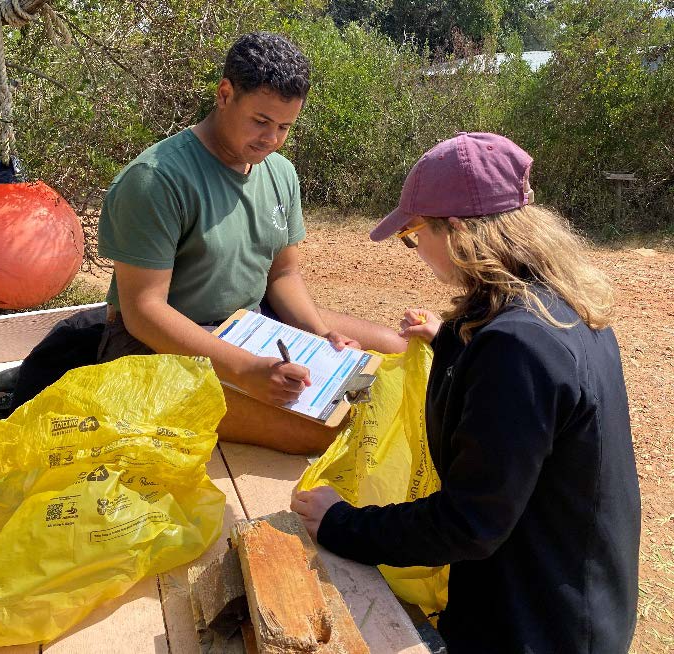
We want to extend a heartfelt thank you to the few passionate individuals who came from Mossel Bay and within the Fransmanshoek Peninsula itself to lend their hands to the cause. Your time, energy, and presence gave true meaning to the day, and we are grateful for your commitment to keeping our coastline clean.
A special word of thanks also goes to the dedicated team from Springerbaai Coastal Eco-Estate, who covered the stretch of beach from Springerbaai all the way to Boggomsbaai. Their effort added enormous value to the cleanup, ensuring that an ever greater portion of our coastline was protected from harmful litter.
Although this cleanup was smaller than we had envisioned, it still holds great value. It has reminded us of the importance of persistence, both in conservation work and in community-building. We will continue to plan, to invite, and to encourage participation, because the coastline we are privileged to protect deserves nothing less.
Combined Coastal Cleanup Totals — All Mossel Bay Initiatives, 20 September 2025
| Item | Total |
|---|---|
| Cigarette Butts | 6,759 |
| Small Plastic/Foam Fragments | 3,227 |
| Bottle Caps (Plastic) | 820 |
| Bottle Caps (Metal) | 678 |
| Food Wrappers (Candy, Chips, etc.) | 694 |
| Other Plastics/Foam Packaging | 500 |
| Beverage Bottles (Glass) | 409 |
| Fishing Gear (Lines, Nets, Traps, Ropes, etc.) | 409 |
| Other Plastic Bags | 339 |
| Straws/Stirrers (Plastic) | 337 |
| Beverage Bottles (Plastic) | 313 |
| Grocery Bags (Plastic) | 201 |
| Lids (Plastic) | 151 |
| Food Containers (Foam) / Take Out Containers (Foam) | 129 |
| Cups, Plates (Foam) | 146 |
| Cups, Plates (Paper) | 128 |
| Tobacco Products (Wraps, Lighters, Packaging) | 124 |
| Take Out Containers (Plastic) / Food Containers (Plastic) | 111 |
| Beverage Cans | 99 |
| Utensils (Plastic) / Forks, Knives, Spoons | 97 |
| Strapping Bands | 76 |
| Cotton Bud Sticks (Swabs) | 73 |
| Condoms | 63 |
| Construction Materials | 72 |
| Other Waste (Metal, Paper, etc.) | 48 |
| Other Plastic Bottles (Oil, Bleach, etc.) | 47 |
| Paper Bags | 40 |
| Clothing | 22 |
| Balloons | 19 |
| Diapers | 19 |
| Tampons & Applicators | 19 |
| Electronic Waste (Phones, Batteries) | 18 |
| Syringes | 16 |
| Tires | 12 |
| Toys | 7 |
| Cloves & Masks (PPE) | 6 |
| Appliances & Parts | 5 |
| E-cigarettes | 5 |
| Footwear (Shoes/Slippers) | 5 |
| Wildlife Reported – Birds (Dead/Injured) | 9 |
| Wildlife Reported – Fish (Dead/Injured) | 2 |
| Total | 16,517 |
As we packed up that afternoon, we left with mixed emotions. There was disappointment in the turnout, yes, but also a deep sense of hope in the dedication we witnessed. It reminded us that even when progress feels slow, every small act of care adds up. And for us at Fransmanshoek Conservancy, that is reason enough to keep showing up, to keep inviting, and to keep working towards a future where our coastline is cherished and protected by all.
Notes from the Field
The Student Ranger Contribution and Projects is a new feature in our monthly report that allows Students to share their experiences, insights, and personal growth during their time at Fransmanshoek Conservancy. This section highlights their voices and perspectives, offering a glimpse into the knowledge, skills, and passion for conservation they are developing.
Through the Eyes of a Student Ranger — by Eben de Wet

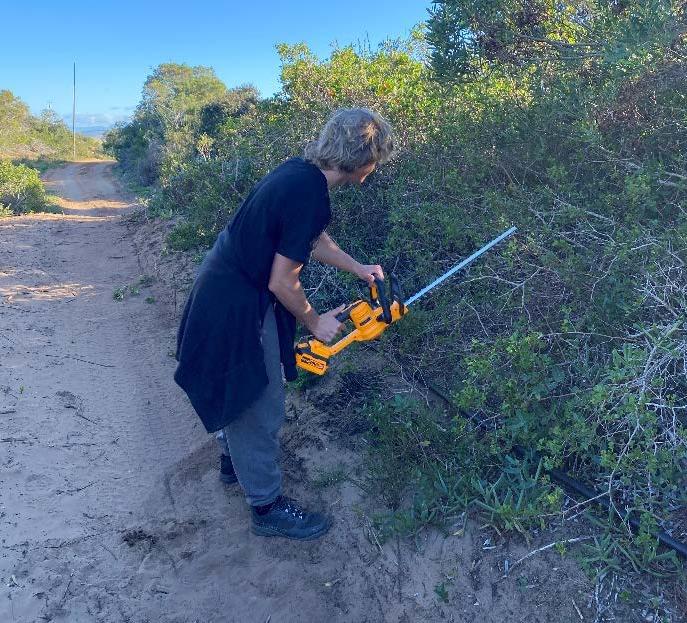
My passion for marine ecology and reptile conservation has shaped much of the work I’ve been involved in during my time at Fransmanshoek Conservancy. Each day brings a new opportunity to explore, observe, and protect the species that call this coastline home.
One of the highlights of my work has been monitoring the African Black Oystercatcher, an iconic bird that depends on our beaches for survival. During coastal patrols, I carefully record their numbers, movements, and behaviour, tracking trends that help us better understand their breeding success and challenges. Watching these birds thrive along our rugged shoreline is a reminder of how interconnected our actions are with the health of the environment.
My interest in reptiles has also led me to conduct a study on the Puff Adder, a species that is often misunderstood and unfairly persecuted. As a qualified snake handler, I have the privilege of safely relocating snakes found in homes or areas where they may be at risk, ensuring both people and wildlife remain unharmed. Each relocation is a small victory for awareness and coexistence.
Beyond research, I’m actively involved in hands-on conservation and community work — from removing invasive species like Rooikrans to helping clear debris from our beaches. These efforts not only restore balance to the environment but also inspire others to take part in caring for the land and sea. I also assist with data collection, tracking fishing activities, Oystercatcher populations, and roadkill incidents to inform more effective conservation strategies. Through these experiences, I’ve learned that every small action, whether recording data or rescuing a snake, contributes to a much larger story of protecting our shared natural heritage.
Through the Eyes of a Student Ranger — by Thomas Willems

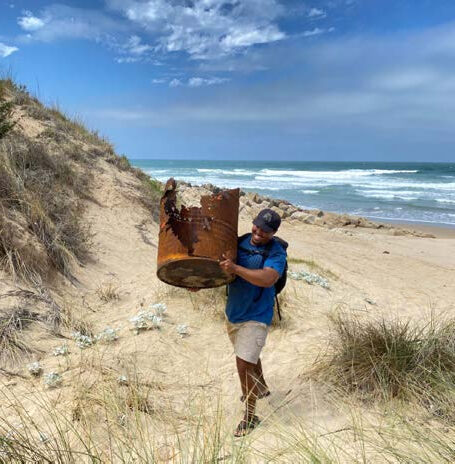
Throughout the year, my projects at Fransmanshoek Conservancy have focused on understanding the delicate relationship between wildlife, people, and the natural environment. Each project has allowed me to explore a different aspect of conservation, from animal behaviour and habitat health to human impact and land management.
My Animal Management project focuses on a Cape Grysbok survey and monitoring study. During my patrols across the Conservancy, I search for tracks and scat, observing patterns that reveal the movements and behaviour of these shy antelope. Through this work, I have gained a deeper appreciation for how quietly yet significantly they shape our ecosystem.
My Human Dimensions Project takes a closer look at the fishermen along our coastline. Through casual conversations, I record the types of fish they catch, their choice of bait, and how these factors change with the seasons. This project highlights the close connection between local livelihoods and the health of our marine environment, reminding me that conservation is as much about people as it is about wildlife.
In another project, I examine the security and management of Vleesbaai and how ongoing development affects local wildlife. This includes writing about both the pros and cons of development, exploring how the area can maintain a balance between human activity and ecological integrity.
Lastly, my Veld Condition and Ecological Capacity Project focuses on the land itself. Here, I document the various plant and tree species found within the Conservancy and conduct Veld Condition Assessments to better understand the health and carrying capacity of our ecosystems. This work provides essential insight into how the vegetation supports both biodiversity and sustainability.
Together, these projects have helped me see conservation not as a single effort, but as a network of connected systems, where every footprint, plant, and person plays a role in shaping the future of Fransmanshoek Conservancy.
Environmental Education
Guardians of the Skies: The Vital Role of Raptors in Our Ecosystems
High above our landscapes, where the wind carries secrets of the earth below, glide the guardians of the sky — the Raptors. With eyes as sharp as their talons, these magnificent birds of prey do far more than awe us with their grace and power. They are nature’s silent custodians, keeping our ecosystems in balance in ways most of us seldom see.
Raptors — such as eagles, hawks, owls, kites, and falcons — play an essential role as apex predators and mesopredators. Their keen senses allow them to detect even the slightest movement, whether it’s a mouse rustling through the fynbos or a snake basking on a warm rock. By controlling populations of rodents, reptiles, and even insects, they prevent outbreaks that could devastate plant life, farmlands, and the delicate web of biodiversity that sustains us all.
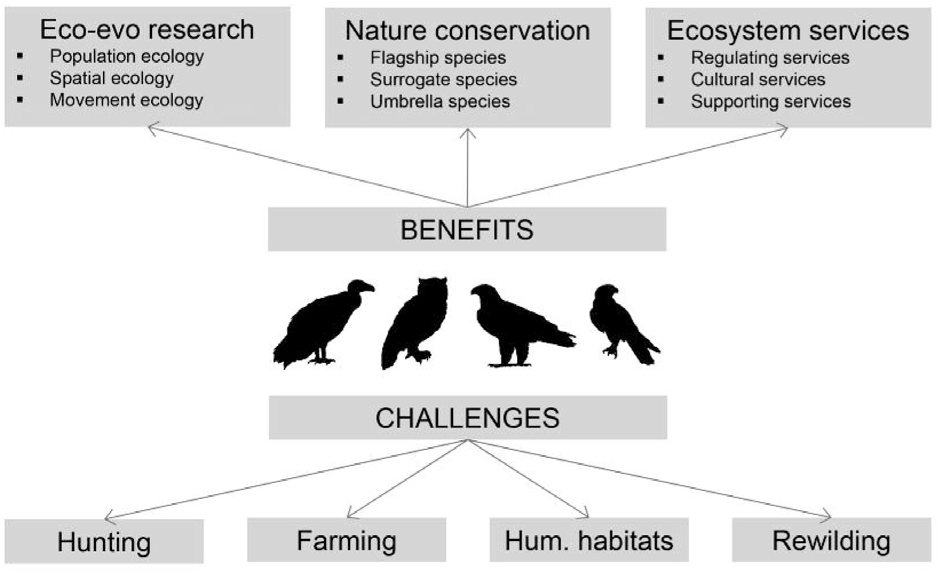
Take, for instance, the Black-shouldered Kite, often seen hovering effortlessly above the coastal plains of the Western Cape. Each small rodent it hunts prevents crop damage and helps reduce the spread of disease. Owls, especially the Barn Owl, are farmers’ best natural pest controllers, consuming thousands of rats in a single breeding season. Without these feathered hunters, small mammal populations could spiral out of control, upsetting entire ecosystems and even threatening food security.
But raptors are not only hunters — they are also storytellers of ecosystem health. When their numbers decline, it often signals trouble in the environment. Habitat destruction, poisoning, and loss of prey ripple up the food chain, and raptors are among the first to show these impacts. By monitoring raptor populations, conservationists can detect early warning signs of environmental distress, much like how a canary once warned miners of dangerous air underground.
Beyond their ecological importance, raptors ignite something deeply human within us — a sense of wonder and respect for the wild. Watching a Verreaux’s Eagle soar effortlessly over rocky cliffs or a Secretarybird stride through the grasslands reminds us of the raw, untamed beauty that still thrives alongside us. Their strength inspires, their resilience teaches, and their presence reminds us that every creature has a purpose.
As conservationists — whether seasoned professionals or young Student Rangers — it’s our shared responsibility to ensure that these winged guardians continue to rule the skies. Protecting their nesting sites, reducing chemical use, and educating others about their importance are small steps with soaring impact.
Did You Know?
- A Barn Owl can eat over 1,000 rodents a year — making it one of nature’s most effective pest controllers.
- The Peregrine Falcon is the fastest animal on Earth, reaching speeds of over 300 km/h during a hunting dive.
- Raptors’ eyesight is so sharp that an eagle can spot a rabbit from three kilometres away!
- The presence of raptors often indicates a healthy, balanced ecosystem, as they rely on clean environments and stable prey populations.
Monthly Species Profile: Secretarybird / Sekretarisvoel

Scientific name: Sagittarius serpentarius
Family: Sagittariidae
Description: The Secretarybird is one of Africa’s most distinctive and admired raptors, often spotted gracefully striding across open grasslands. Instantly recognisable, this bird stands tall — up to 1.2 metres — with long crane-like legs, a proud upright stance, and a striking crest of black feathers behind its head. Its grey plumage contrasts beautifully with its black flight feathers and bright red-orange facial skin, giving it an appearance as elegant as it is formidable.
Distribution: Endemic to sub-Saharan Africa, the Secretarybird is found throughout all nine provinces of South Africa. Although widespread, its numbers are steadily declining due to habitat loss and human activity.
Habitat: This species prefers open savannas and grasslands with short grass, which allow it to spot and chase its prey while walking easily. Secretarybirds are also known to frequent agricultural lands where prey populations are high. They rely on tall trees, often Acacias, for nesting — offering both visibility and protection — but generally avoid rocky or densely vegetated habitats.
Diet: Secretarybirds are carnivores that hunt exclusively on foot. Their diet mainly consists of insects, beetles, lizards, small birds, and rodents, but they are best known for their ability to hunt and kill snakes. They use their powerful legs to deliver rapid, forceful kicks that can stun or kill prey instantly. This behaviour not only demonstrates their impressive strength but also plays a vital role in controlling rodent and insect populations within their ecosystems.
Life Cycle: Secretarybirds are often seen in family groups of four to five individuals. They are monogamous and form lifelong pair bonds, with breeding occurring throughout the year, but peaking between August and March. Nests are built in tall trees or large bushes where females lay two to three eggs. Both parents share incubation duties for around 42 to 46 days, and together they raise their young until the chicks are strong enough to take flight.
Conservation Status: The Secretarybird is currently listed as Endangered, with alarming population declines recorded across South Africa. Habitat loss from agricultural expansion, urban development, and the spread of power lines poses a major threat to this species. Additionally, illegal hunting and trading further endanger their survival. Protecting open grassland habitats and raising awareness of their ecological importance are crucial steps toward ensuring the future of this majestic bird in our natural landscapes.
Report compiled by: Bernard van Heerden, Eben de Wet, Hayley Thorpe, Thomas Willems & Ethan Elbrecht
Fransmanshoek Conservancy
082 084 2791 | fransmanshoek@gmail.com
Follow us on Facebook: @fmhconservancy