

“The greatest threat to our planet is the belief that someone else will save it.” – Robert Swan.
Compliance Management
Marine Living Resources Act
During August, the Rangers came across a total of 8 fishermen, recreational fishing, spearfishing/diving, and bait collecting permits were inspected by Bernard, Eben, Hayley, Thomas, and Ethan in accordance with the Marine Living Resources Act (Act 18 of 1998). Of the 8 permits checked, none failed to produce a valid permit. We remind everyone that it is essential to be in possession of a permit, even if you are simply fishing for a day or two! We ask that if you witness any fishermen, divers, or bait collectors and suspect they are not following the rules and regulations, please get in touch with the Conservancy immediately.
Natural Resource Management
New Doggy Poop Station Installed at Fransmanshoek Conservancy
On the 19th of August, Fransmanshoek Conservancy had the pleasure of receiving a wonderful donation from Vleesbaai’s Aesthetic Committee, a newly built doggy poop station. This thoughtful facility, constructed by Vleesbaai Dienste, was installed by our Rangers on August 27 and can now be found adjacent to the Information Centre. We are deeply grateful to both the Aesthetic Committee and Vleesbaai Dienste for their generous sponsorship and hard work. Contributions like these show how individuals and organizations can make a meaningful impact on the environment, and we applaud every effort that helps us keep Fransmanshoek beautiful and protected.
The addition of this doggy poop station not only provides convenience for visitors walking their furry companions but also plays an important role in safeguarding our local ecosystem. Dog waste, if left unmanaged, can introduce harmful bacteria into the environment, disrupt soil quality, and even pose risks to wildlife. By using this station, pet owners actively contribute to the health of the peninsula and help preserve it for future generations. We also remind all visitors that dogs must remain on leashes at all times. Even trusted pets can behave unpredictably in natural environments, potentially disturbing wildlife or causing unnecessary conflict with other dogs and visitors. By keeping pets leashed and cleaning up after them, we work together to protect the rich biodiversity that Fransmanshoek is home to.
To our responsible pet owners who already practice these principles, thank you! Your mindfulness and care make a real difference in maintaining Fransmanshoek as a safe, pristine, and welcoming space for both people and wildlife.
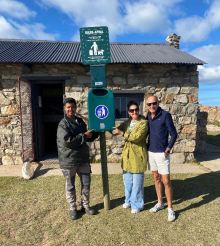
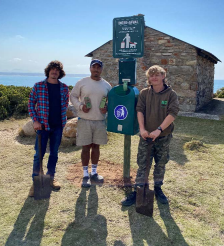
Right: Student Rangers After Setting Up the Station
Restoring Balance: The Ongoing Battle Against Rooikrans/Red-eye Wattle (Acacia cyclops)
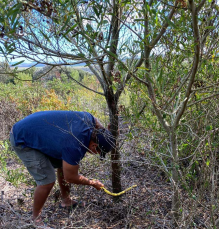
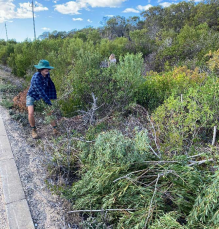
Over the past few weeks of August, our team of Rangers has dedicated a focused effort to tackling one of the greatest threats to our local ecosystems: the invasive Rooikrans/Red-eye Wattle (Acacia cyclops). Originally introduced from Australia, this aggressive alien plant may appear harmless at first glance, but its spread has devastating consequences for indigenous biodiversity. Rooikrans rapidly outcompetes native flora, consumes vast amounts of water, and dramatically increases the risk and intensity of wildfires. Our work has been concentrated in an area that has been previously cleared but is now heavily infested with Rooikrans trees and saplings. Armed with determination (and plenty of tools), we approached the removal process with a methodical strategy aimed at long-term effectiveness. Each tree was cut as close to the ground as possible, ensuring that no green stems or leaves were left behind. Rooikrans has a notorious ability to resprout from even the smallest bit of living tissue, so precision was key. By carefully eliminating every trace of growth, we reduce the likelihood of regrowth and give indigenous plants a fighting chance to reclaim their space.
Teamwork played a vital role in our success. While some Rangers focused on the physical task of cutting, others were dedicated to clearing away the biomass. This step is essential, not only because the dead material creates obstacles for wildlife movement, but also because it poses significant fire hazards and can smother the natural regeneration of indigenous seedlings. By removing both the living and the dead plant matter, we ensure the veld is free to recover without further interference. This project is far more than just “clearing work”. It is an act of ecological restoration. Each cleared section of land becomes an opportunity for indigenous species to reestablish themselves, restoring the natural balance and resilience of the environment. Over time, and with ongoing monitoring and follow-up efforts, these once overgrown areas will be transformed into thriving habitats that better support the biodiversity of Fransmanshoek Conservancy.
Summer Companions: The Snakes of Fransmanshoek
As the days grow longer and the sun climbs higher in the sky, the Conservancy begins to hum with new life. The warmth awakens not only flowers and insects, but also our more secretive neighbours: The Snakes. A gentle rustle in the dry fynbos, the flicker of movement across a rocky footpath, or the sight of scales catching the sunlight are all signs that these reptiles are once again on the move after the cool, quiet winter months. Snakes are among the most misunderstood residents of Fransmanshoek. Too often, they are met with fear or alarm, yet their role in our ecosystem is vital. Acting as nature’s own pest control, they keep rodent numbers in check and help to prevent the overgrazing and crop damage that can follow unchecked populations. By feeding on small mammals, birds, insects, and even other reptiles, snakes maintain the delicate balance that allows our unique fynbos environment to flourish.
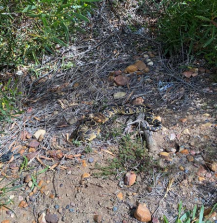
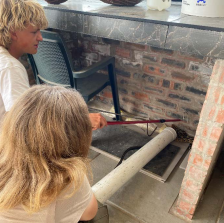
A few species are more commonly seen in our area during the summer. The Puff Adder, thick bodied and beautifully camouflaged, often lies quietly in wait along sandy tracks or grassy patches. The Boomslang, slender and graceful, prefers the trees and shrub canopies, where its remarkable vision makes it a skilled hunter of chameleons, lizards, and birds. And then, of course, there is the Cape Cobra, a species that commands respect, yet plays an equally important role in the food chain. Each of these snakes is a part of the Conservancy’s natural story, a character woven into the landscape’s fabric. Despite their sometimes fearsome reputation, snakes are not naturally aggressive. Most prefer to slip away silently rather than face confrontation. When encountered, they rely on camouflage, stillness, or a quick escape into vegetation. For us, the best response is simply to give them space. A calm pause and a few extra steps back are all that’s needed to keep both human and reptile safe. Their presence in these warmer months is more than just seasonal curiosity; it is a sign of health. Snakes are sensitive to environmental change, and their continued survival here reminds us that the Conservancy remains a place where biodiversity thrives. Each sighting is a small victory for conservation, a reminder that we are sharing this landscape with creatures that have lived here long before us.
Snake Safety Tips for Visitors
• Keep your distance: If you see a snake, stop and give it room to move away.
• Stay on paths: Avoid thick grass or dense bush where snakes may rest unseen.
• Do not attempt to handle: Even non-venomous snakes will defend themselves if threatened.
• Admire, don’t interfere: Remember, snakes are vital to the ecosystem and best enjoyed from afar.
At Fransmanshoek Conservancy, every creature has its place, from the smallest insect to the most secretive snake. By respecting and protecting these often-misunderstood reptiles, we help safeguard the natural balance of our fynbos and coastline. Together with our visitors, partners, and supporters, we remain committed to ensuring that future generations will continue to experience a landscape where snakes and people coexist in harmony.
Notes from the Field
The Student Ranger Contribution and Projects is a new feature in our monthly report that allows Students to share their experiences, insights, and personal growth during their time at Fransmanshoek Conservancy. This section highlights their voices and perspectives, offering a glimpse into the knowledge, skills, and passion for conservation they are developing.
Through the Eyes of a Student Ranger – August 2025
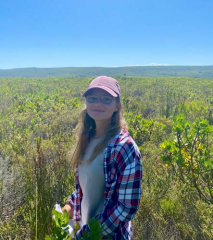
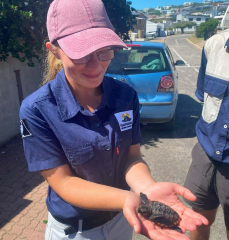
During my year at Fransmanshoek Conservancy thus far, I have contributed to a wide range of projects focused on veld management, wildlife care, infrastructure maintenance, and visitor engagement. In terms of Veld Assessment, I conducted Veld Condition Assessments across different vegetation types to monitor the health of the ecosystem. This included data collection on vegetation composition and structure, as well as identifying ecological trends.
Additionally, I assist with the removal of invasive alien vegetation to enhance veld resilience and biodiversity.
I am also involved in the care and rehabilitation of injured wildlife, most commonly tortoises, duikers, grysbok, and seabirds. This work requires assessing each animal’s condition, making informed decisions regarding treatment, and, when necessary, transporting them to veterinary clinics or rehabilitation centres for advanced care. I also conducted population monitoring projects, namely small mammal surveys and guineafowl studies. I help to maintain visitor facilities and Conservancy infrastructure to ensure a safe and enjoyable experience for guests. Trail maintenance is another important task, involving clearing pathways/trails, repairing signage, and combating erosion issues. I also engage with visitors, mainly hikers, and assist with writing pieces for the monthly reports. This work has allowed me to put my theoretical knowledge into practice and gain practical experience and hands-on training.
By: Hayley Thorpe
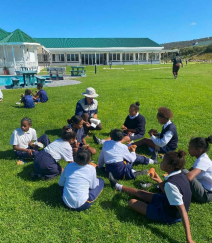
Our module’s primary focal points for this year include the veld/vegetation, wildlife, infrastructure, and guests/visitors. For each of these, there are different projects detailing various aspects of our work in conservation on Fransmanshoek Conservancy.
For our veld module, I have participated in veld management, conducting assessments to determine which species of plants are present and what they can tell us about the health of the environment. Invasive plant control has also been a big part of this module, working towards protecting the biodiversity of the area and monitoring ongoing threats. Lastly, I started an endangered plant conservation project where I attempted to map out the location of sensitive species in Fransmanshoek and collect seeds/cuttings to grow them and learn more about protecting their populations.
In terms of our animal/wildlife module, I have helped rehabilitate injured wildlife such as Loggerhead Sea Turtles and Grysbok, monitored the African Black Oystercatcher, and monitored the intertidal zones on the Conservancy. This helps to take care of our wildlife and understand their behavior as well as their movement.
These two modules comprise the core of what our work is about. There are, however, many other projects that are supportive in nature, including hiking with guests such as the Pilgrimage of Hope hikers, maintaining hiking trails, repairing facilities, sharing the work we do on our various social media platforms (Instagram and Facebook), and removing waste that would otherwise clutter the natural environment.
By: Bernard van Heerden
Environmental Education
Bats – Our Misunderstood Night-Time Neighbours
When most people think of bats, they imagine scary stories of blood-sucking creatures or disease carriers. In truth, bats are gentle, shy animals that play a crucial role in maintaining a balanced and healthy environment. Yes, like many wild animals, bats can carry diseases, but the risk of them spreading illness to humans is extremely low, especially when we respect their space. Bats do not seek out human contact. They prefer to live in dark, quiet places where they can rest safely during the day, only venturing out at night to feed. Instead of fearing them, we should see bats for what they truly are: essential allies in nature.
Why Bats Are So Important
Bats are more than just mysterious creatures of the night; they are environmental superheroes with many roles to play:
• Seed Dispersers & Pollinators
Many fruit-eating bat species are nature’s gardeners. They spread seeds over wide areas and pollinate flowers while feeding. Without them, some trees, fruits, and plants would not grow or reproduce. This makes bats crucial for the regeneration of natural forests and ecosystems.
• Natural Pest Controllers
A single bat can eat thousands of insects in one night! By feasting on mosquitoes, moths, beetles, and crop pests, bats reduce the need for chemical pesticides. This natural pest control benefits farmers, gardeners, and communities, and it helps keep our food healthy and free from excessive chemicals.
• Ecosystem Health Indicators
Because bats are very sensitive to changes in their environment, they act like “early warning systems”. If bat populations start declining, it can signal problems such as climate change impacts, pollution, or habitat destruction. Their presence shows that an ecosystem is functioning well.
• An Important Part of the Food Web
Bats are also prey for other animals such as snakes, owls, and wild cats. This means they form an essential link in the circle of life, helping to keep biodiversity in balance.
Threats That Bats Face
Unfortunately, despite their importance, bats face many threats today. Some of the biggest challenges include:
• Habitat Loss – As more land is cleared for farming, mining, and housing, bats lose their natural homes such as caves, hollow trees, and quiet roosting spaces.
• Poisons & Pesticides – The insects that bats rely on for food are often killed by poisons. When bats eat these contaminated insects, they too can be harmed.
• Climate Change – Rising temperatures, droughts, and changing seasons affect insect numbers and disturb bat hibernation or migration patterns.
• Misunderstandings & Myths – Perhaps the biggest threat of all is fear. Many bats are killed simply because people believe they are dangerous. In reality, most bats eat only insects or fruit and are not a threat to humans.
How We Can Help Bats
Protecting bats does not require big actions; even small steps make a difference. Here are a few ways we can help:
• Provide Safe Roosting Spaces
Installing bat boxes in gardens, schools, and farms gives bats a safe place to sleep during the day. In return, they help control insect numbers naturally.
• Protect Their Habitats
Preserving forests, old trees, and caves ensures bats have safe places to live and breed. When we protect their homes, we also protect countless other species that share the same ecosystems.
• Reduce Pesticide Use
Using fewer harmful chemicals keeps insects healthy and abundant, giving bats a safe food supply. Natural pest control methods benefit people, wildlife, and the environment.
• Spread Awareness
By learning more about bats and sharing the truth, we can replace myths with understanding. Education is one of the most powerful tools for protecting wildlife.
A New Way of Seeing Bats
At Fransmanshoek Conservancy, we encourage our community to see bats not as pests or threats, but as partners in conservation. By protecting them, we are helping to safeguard biodiversity, improve farming sustainability, and maintain a healthy balance in our environment.
Next time you see a bat fluttering in the night sky, remember:
• It may be eating thousands of insects, including mosquitoes.
• It may be carrying seeds that will grow into tomorrow’s forests.
• It may be quietly reminding us how healthy, or unhealthy, our environment really is.
Protecting bats means protecting ourselves, our children, and the natural world we depend on.
Monthly Species Profile
Brown Sage / Bruinsalie
Scientific name: Salvia africana-lutea
Family: Lamiaceae
Description: An aromatic hardy shrub with unusually coloured borne over a long period. It is fairly fast-growing, up to 2 m, and very attractive to wildlife. Flowering begins in early spring, and the bright yellow flowers soon fade to rusty-orange and then reddish brown. After the petals fall, the saucer-like calyx, which becomes papery with age, remains as an added attraction. The flowers are both attractive and are complemented by greyish-green, aromatic foliage.
Distribution: This species is indigenous to the coastal regions of South Africa, extending from Namaqualand in the west to Port Alfred in the east, and from the Cape Peninsula northwards. It thrives in coastal sand dunes and adjacent rocky slopes, often forming part of the dune scrub vegetation.
Habitat: Predominantly inhabits coastal sand dunes and scrubland, flourishing in well drained, sandy soils. It is adapted to arid environments and can tolerate saline conditions, making it suitable for coastal landscaping and xeriscaping.
Uses: Its drought resistance and attractive foliage make it ideal for water-wise gardens and coastal landscaping. The nectar-rich flowers attract various pollinators, including sunbirds and butterflies. The aromatic leaves are utilized in potpourri and as a natural insect repellent. Locally, it has been used in traditional remedies.
Conservation Status: According to the South African National Biodiversity Institute (SANBI), Brown Sage is classified as “Least Concern” due to its widespread distribution, abundance, and low risk of extinction.
References
AFRICA GEOGRAPHIC. 2022. The Importance of Bats. [online]
https://africageographic.com/stories/the-importance-of-bats/ [Accessed August 2025]
BABANANGO GAME RESERVE. 2025. Hidden In The Dark: Shedding Light On The Often Misunderstood Bat Species. [online]. https://babanango.com/blog/the-often-misunderstood-bat species/#:~:text=Bats%20are%20vital%20to%20ecosystems,biodiversity%20and%20human%20agric ulture%20alike [Accessed August 2025]
KOEDOE. 2013. A Perspective On Bats (Chiroptera). [online]
https://koedoe.co.za/index.php/koedoe/article/view/1140/1471 [Accessed August 2025]
RANDOM HARVEST. 2025. Salvia africana-lutea. [online] https://www.randomharvest.co.za/South African-Indigenous-Plants/Show-Plant/PlantId/772/Plant/Salvia-africana-lutea\ [Accessed August 2025]
SAFETY MATTERS WEEKLY. 2019. Safety Tip of the Week – The Dangers of Snakes. [online] https://safetymattersweekly.com/safety-tip-of-the-week-the-dangers-of-snakes/ [Accessed August 2025]
SAN MACROS GROWERS. 2025. Salvia africana-lutea – Beach Salvia. [online] https://www.smgrowers.com/products/plants/plantdisplay.asp [Accessed August 2025]
SILBAJORIS, A. 2022. What is the Importance of Snakes in the Ecosystem? [online] https://www.sciencing.com/importance-snakes-ecosystem-8078550/ [Accessed August 2025]
SKYNEWS. 2022. Your dog’s poop is damaging nature, scientists say. [online] https://news.sky.com/story/is-your-dog-harming-your-local-beauty-spots-depends-if-youre-a pooper-scooper-12535396 [Accessed August 2025]
SUTTON, C. 2025. Is Dog Poop Bad for the Environment? Vet-Approved Eco-Friendly Solutions & FAQ. [online] https://articles.hepper.com/is-dog-poop-bad-for-the-environment/ [Accessed August 2025]
BERNARD VAN HEERDEN
EBEN DE WET
HAYLEY THORPE
THOMAS WILLEMS
ETHAN ELBRECHT
FRANSMANSHOEK CONSERVANCY
082 084 2791 | fransmanshoek@gmail.com
Like and Follow us on:
@fransmanshoek
@fmhconservancy